
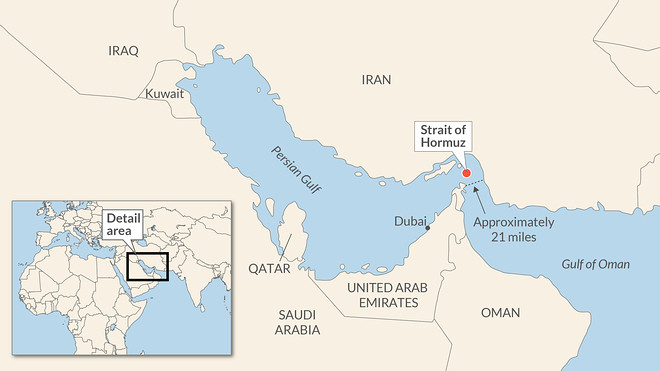
The U.S. war on Iran was launched for regime change — to overthrow the government and restore imperialist control over a country it once dominated after the 1953 CIA-backed coup that imposed the Shah. It failed. Despite the assassination of top leadership and the destruction of schools, hospitals and key industries, the expected internal collapse did not come. Instead, Iran held together, strengthened its defenses, and now controls the flow through the Strait of Hormuz.
That is why comparisons to the 1956 Suez crisis are being drawn. Britain’s 1956 war to retake the Suez Canal ended in defeat and exposed its imperial decline. The United States stepped in, forced Britain to withdraw, and consolidated its own dominance over the postwar order. Today, Washington faces a similar test in Hormuz — but without the same power to impose the outcome.
Washington did not launch this war from strength. It launched it under conditions of imperialist decline. U.S. imperialism remains the dominant power, but it now needs more debt, more war and more force just to hold the system together. The contradiction is clear: The empire becomes more violent as its ability to control events declines. The war was launched to restore imperialist domination. Instead, it has thrown oil flows and trade into disorder, driving U.S. imperialism deeper into crisis and showing that even greater force cannot produce the political result it seeks. Trump’s renewed threats only underline the point: Washington is still reaching for more war because it failed to get the outcome it wanted.
A setback for U.S. imperialism undermines its ability to impose sanctions and control oil and trade. Iran continues to move energy despite U.S. pressure, oil flows are rerouted, and payments bypass U.S. channels.
The world remains ruled by capital and imperialist domination. But the leading imperialist power can no longer enforce that order as it once did. That makes it more dangerous.
Join the Struggle-La Lucha Telegram channel