
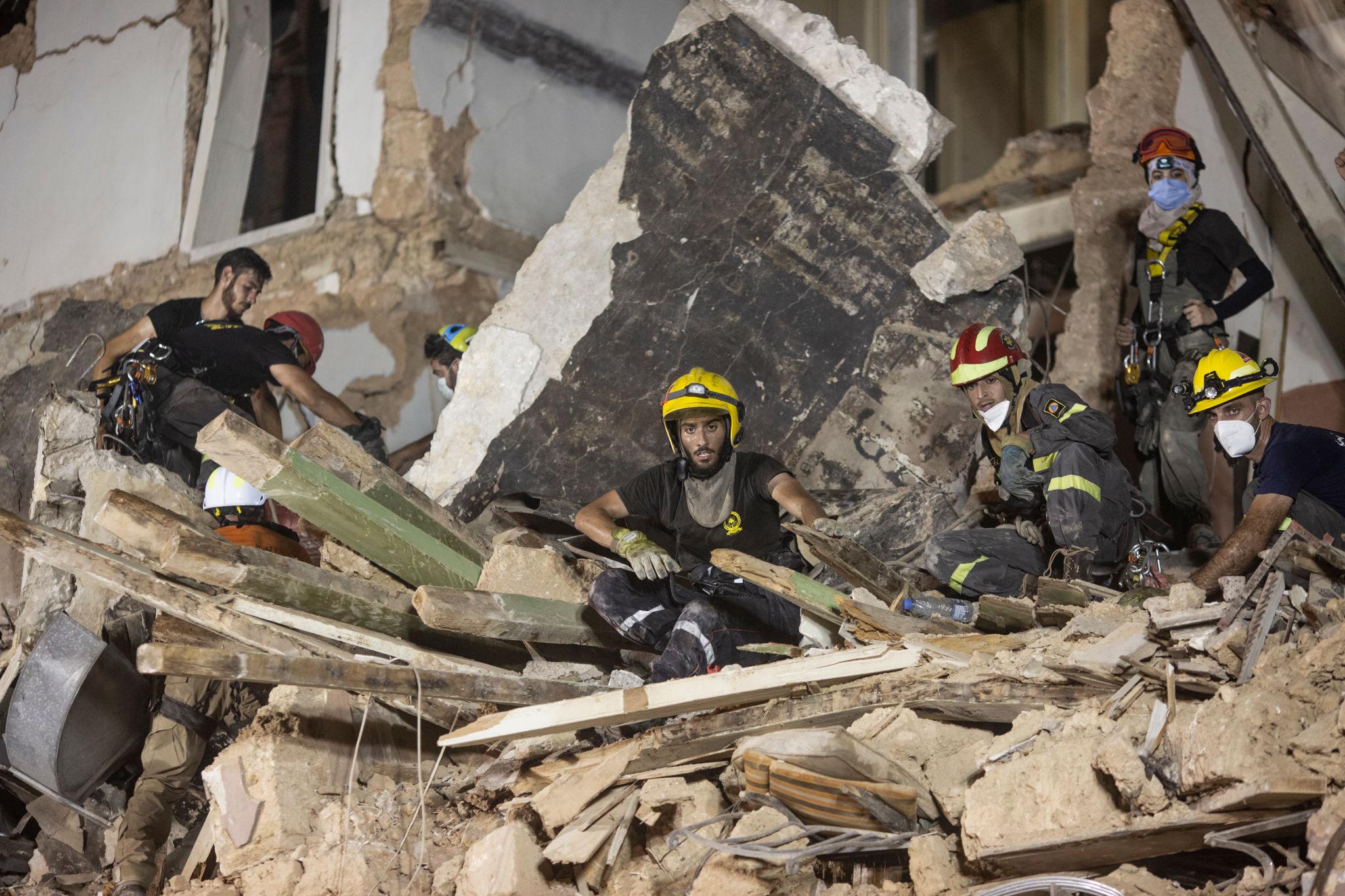
Israeli jets killed at least 254 people in Lebanon on April 8 — the deadliest single day of Israeli attacks on the country since 2006 — just hours after the Trump administration announced a ceasefire with Iran that was already disputed in its terms, then turned around and denied that it covered Lebanon.
Strikes hit apartment buildings, residential streets and crowded commercial areas across central Beirut and the southern suburbs. More than 1,100 people were wounded, including 35 children.
The ceasefire was mediated by Pakistan, whose ambassador to Washington confirmed on April 8 that Lebanon was included. Iran’s parliamentary speaker Mohammad Bagher Ghalibaf said there was “no room for retreat or evasion” on that point. The White House approved a statement saying exactly that, then reversed itself once the bombs began to fall.
Within hours, Israel launched the bombardment. An attack on this scale does not happen outside U.S. policy. Whatever the ceasefire said on paper, Israel acted in the space Washington allowed and protected.
Trump backed Israel’s claim that Lebanon was never covered, calling it a “separate skirmish.” White House press secretary Karoline Leavitt confirmed the same line.
This was not a misunderstanding. It was policy.
Iranian officials drew the obvious conclusion. Foreign Minister Abbas Araghchi said Washington had to choose between a ceasefire and continuing the war through Israel. Iranian President Masoud Pezeshkian warned that continued attacks on Lebanon would make negotiations meaningless. Iran also signaled to mediators that participation in talks depended on a ceasefire in Lebanon.
Netanyahu gave the answer April 8. He said Israel would keep striking Hezbollah “wherever necessary.” Hours earlier, Vice President J.D. Vance said Israel would scale back attacks to allow negotiations. Netanyahu contradicted him almost immediately.
Trump made clear that the war posture had not changed, saying U.S. forces would remain in place and prepare for further operations. Washington talks about de-escalation. Israel keeps bombing.
Trump’s ceasefires in the region have not stopped war. They have paused it without resolving the conflicts behind it. The June 2025 ceasefire after the B-2 bombing of Iran’s nuclear facilities was followed by the full-scale war that began Feb. 28. There is no reason to expect a different outcome now.
Leading voices in the press and both parties did not condemn the slaughter in Lebanon. They complained that the ceasefire left Iran with too much leverage over the Strait of Hormuz and failed to secure U.S. strategic aims. The dispute in Washington was not over peace. It was over how to continue the war.
Washington does not offer ceasefires to end wars. It offers them to buy time, calm markets and give Israel room to keep striking.
April 8 in Beirut stripped that bare. The ceasefire headline went around the world. The bombs fell in Lebanon.
Join the Struggle-La Lucha Telegram channel