
The U.S. war on Iran is not only driving up oil prices. It is putting the food supply chain at risk.
The Strait of Hormuz has been effectively closed to normal commercial traffic. So far, most attention has gone to higher oil prices, disrupted liquefied natural gas shipments and rising fuel costs. But the shock is already moving beyond energy and into the commodity chain. That is where working people will be hit hardest.
For now, some ships are still arriving because they were already at sea when the war escalated. That has masked the full scale of the disruption. The cushion is running out.
Trump says the disruption can be managed because the United States is the world’s largest oil and gas producer. That offers no protection. Oil sells on a global market at global prices. When supply is disrupted, U.S. energy companies cash in and working people pay more.
The crisis does not stop with crude. It moves through naphtha, petrochemicals and plastic, then into fertilizer and the shipping system that carries it all. Japan and South Korea get roughly 90% of their oil from the Gulf. When their economies are hit, the effects come back through the goods and components the U.S. economy depends on.
“We produce a lot” does not answer any of that.
One of the first breakdowns is already showing up in naphtha, a petroleum product used to make plastic. When refiners face uncertainty, they cut operating rates. Petrochemical producers pull back.
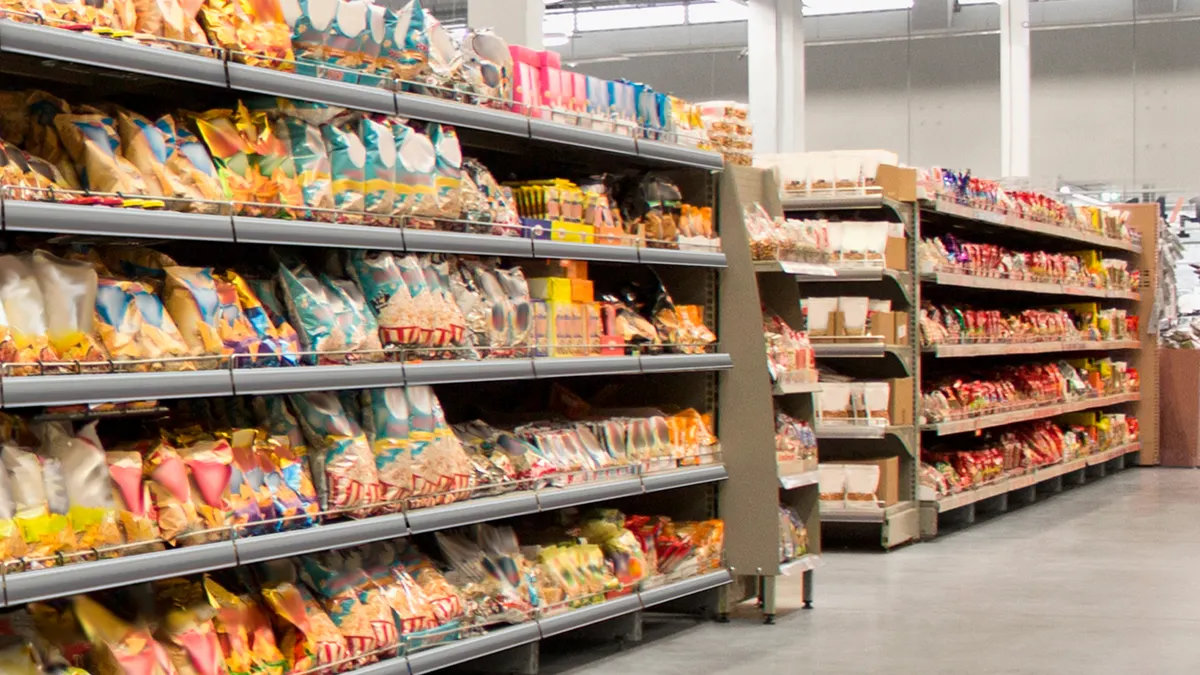
The modern food system runs on plastic. Grocery store shelves depend on plastic packaging to move meat, produce, dairy and prepared foods from processing plants to warehouses to stores. Without that packaging, much of that food cannot be shipped, stored or sold safely.
There is no quick substitute. Changing packaging materials requires retooling production lines, qualifying new suppliers and meeting food safety standards. That takes months, not days.
The next link is fertilizer. Natural gas is used to make ammonia, and ammonia is the base for most synthetic fertilizer. As gas prices rise and supply becomes uncertain, fertilizer producers adjust output. Those decisions are being made now. Their effects will show up later, with farmers paying more and having fewer options at planting time.
Shipping is tightening at the same time. War-risk insurance premiums for vessels in the region have jumped. Some operators are not just paying more. They are avoiding the route altogether. That means fewer ships available to move goods, even when the goods exist. The problem is no longer only supply. It is whether goods can be delivered at all.
This is how a commodity chain begins to break down. Trouble in naphtha hits plastics. Trouble in plastics hits food packaging. Trouble in food packaging hits distribution. Each disruption pushes more strain onto the next link.
The blow will not land all at once. It will build. Fuel costs rise. Packaging costs rise. Shipping costs rise. Food prices rise. Working people, who spend a larger share of their income on food, are hit first and hardest.
Economies across East and Southeast Asia are already showing early strain. Europe and the United States are still drawing on stockpiles and cargo already in transit. But those flows will not be replaced at normal rates as long as the strait remains effectively closed.
The Trump administration launched this war while cutting food assistance, Medicaid and housing support. The people most exposed to rising prices and supply disruptions are the same people losing what little protection they have.
This is how an imperialist war works. Oil monopolies, weapons contractors and finance capital gain. Workers pay.
Join the Struggle-La Lucha Telegram channel