
The war on Iran is escalating.
Reports now indicate that the Trump administration is weighing major escalation, including seizure of Kharg Island, raids on nuclear facilities and even a large-scale U.S. ground invasion. Troops and specialized units are being moved into place. These reports should be taken seriously. They point to a new stage of the war.
This escalation is not being prepared from a position of strength. U.S. bases in the Gulf have reportedly been rendered largely uninhabitable by repeated Iranian strikes, forcing personnel into scattered temporary sites. Weapons stocks are tightening. At the same time, the disruption of traffic through the Strait of Hormuz is pushing beyond an oil shock toward shortages in fertilizer, chemicals, industrial gases, jet fuel and other basic materials.
Washington is moving toward possible ground escalation at the very moment the military and economic conditions needed to sustain it are breaking down.
That does not make the threat less real. It makes it more dangerous.
The war has not produced submission. It has not restored secure bases, stable shipping or political control. Under those conditions, the pressure inside the U.S. ruling class is not necessarily to pull back. It is to strike harder, seize something directly and impose by force what air war and threats have not achieved.
That is the logic behind the reported planning for a “final blow.”
A wider war
The Pentagon is weighing four main escalation paths. One is the seizure or blockade of Kharg Island, Iran’s main oil export terminal. Another is a ground operation to seize enriched uranium and secure nuclear sites inside Iran. A third is a much wider bombing campaign. The fourth is the most extreme: a large-scale U.S. ground invasion.
None of these paths points toward stability. All point toward a wider war.
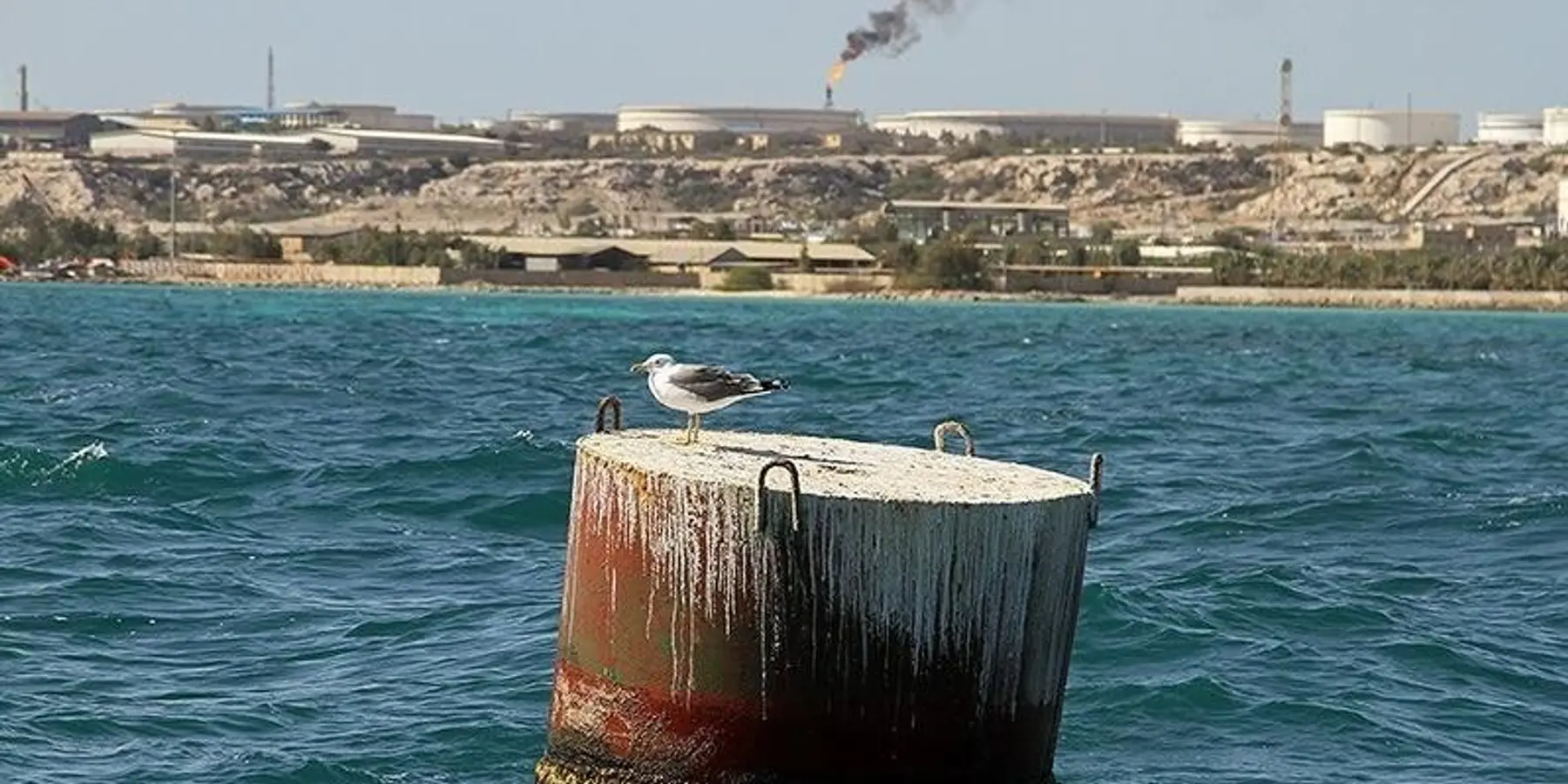
Kharg Island is the clearest example. It may look like a strategic prize on paper. In reality, taking it would not end the war. It would mean trying to hold a small, exposed target just off the Iranian mainland under constant missile, drone and artillery threat. Seizing it would not reopen the Strait or restore secure oil flows. It would create a position that would have to be supplied and defended under fire.
The nuclear-site scenario is no less dangerous. Bombing those facilities is one thing. Sending troops into Iran to seize and remove material from fortified inland sites is another. That is not a limited strike. That is a ground war.
Force assembly under pressure
The troop movements now being reported show the scale of the danger. The 82nd Airborne has reportedly sent about 2,000 troops to the region. The White House is said to be considering at least 10,000 more. Special operations forces, including SEAL Team Six, Delta Force and the 75th Rangers, have reportedly received deployment orders. Two Marine Expeditionary Units, built around the USS Tripoli and USS Boxer, are reportedly being moved into the region.
These troop movements are preparations for a ground war.
At the same time, the military position underneath that escalation is fraying. Iranian strikes have driven U.S. troops out of many Gulf bases and into hotels and office space, with the surreal phrase that troops are now “working remotely.” Weapons depletion is approaching critical levels.
That matters because modern U.S. warfighting depends on secure bases, reliable logistics and a steady supply of munitions. Once those conditions begin to erode, escalation does not become impossible. It becomes more desperate.
A production crisis
The economic pressure is building just as fast.
The Strait of Hormuz remains the key pressure point in the war. As long as Iran can choke or sharply limit traffic through it, the conflict cannot be contained to the battlefield. Oil and LNG flows are disrupted, but so are shipments of urea, sulfur, helium, sulfuric acid, plastics and fuel. These are not secondary goods. They are basic inputs for agriculture, transport, manufacturing, energy systems and health care.
This is why the crisis cannot be reduced to higher prices at the pump.
What is taking shape is a production crisis. Farms depend on fertilizer. Industry depends on chemicals and gases. Airlines depend on jet fuel. Supply chains depend on plastics. When these materials stop moving, the result is not just inflation. It is shutdowns, shortages and business failures.
As inventories already in transit are exhausted, shortages are expected to sharpen by early April, with closures, layoffs and broader disruptions spreading outward from there.
So the war is tightening pressure on two fronts at once.
It is straining the U.S. war machine, which is already operating under damaged base infrastructure, tightening weapons supply and rising vulnerability.
And it is straining the world economy, which depends on uninterrupted flows through the Gulf for energy and raw materials.
Washington’s answer, so far, is not to reverse course. It is to extend deadlines, keep threatening escalation and prepare bigger operations. The administration is lurching deeper into the war.
That is what makes this stage of the war so dangerous.
When bombing fails, pressure builds for a bigger gamble — ground troops, seizure of infrastructure, a commando raid. But every such move would deepen the same crisis already visible across the region: more bases hit, more weapons burned up and more disruption to oil and material flows.
The real danger is that U.S. imperialism appears ready to deepen the war precisely because it has failed to break Iran, reopen the Strait or secure its own bases.
Join the Struggle-La Lucha Telegram channel