
Workers are paying for the war on Iran twice.
Since the first U.S.-Israeli strikes on Feb. 28, the interest rate the U.S. government pays to borrow for 10 years has risen from about 4% to roughly 4.4% as of March 23.
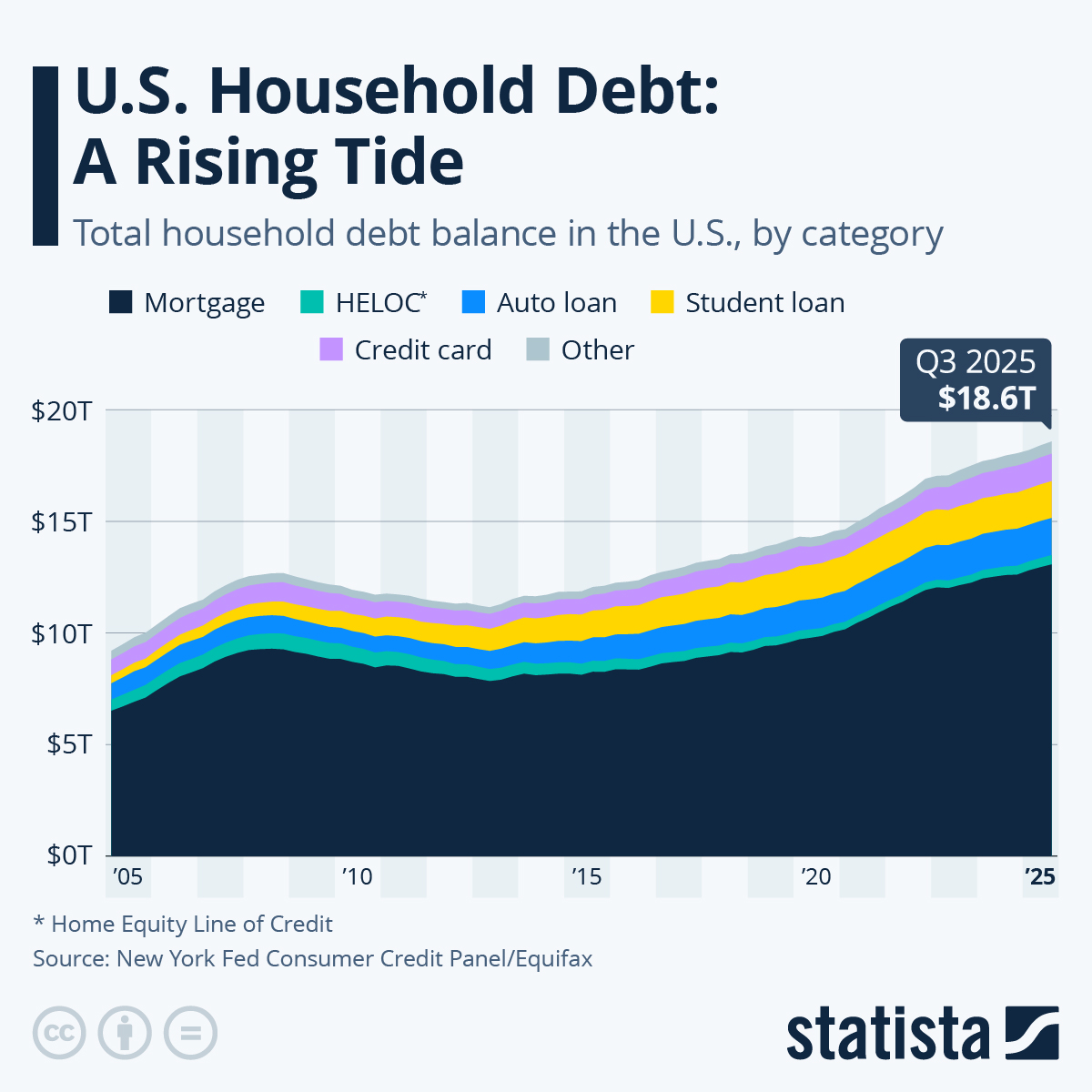
Higher rates move quickly through daily life. Mortgage payments rise. Credit tightens. Businesses delay spending. The risk of layoffs increases.
Washington launched the war first and is now borrowing to pay for it. As borrowing gets more expensive, so does the war.
Arms companies ramp up production and take the profits. Workers carry the cost through higher prices, higher interest and cuts as credit tightens.
At the same time, gas prices have climbed, raising the cost of commuting, food and heating.
Workers are being hit twice — at the pump and in the cost of borrowing.
In the early 1980s, a similarly sharp rise in long‑term interest rates drove unemployment into double digits.
The conditions today are different. The direction is not. Higher borrowing costs and tighter credit still mean layoffs and cuts for workers.
Join the Struggle-La Lucha Telegram channel