
More than 11,000 cases of cyclosporiasis have been reported across 46 states this year. Several outbreaks are underway at once. The largest known surge is in the Midwest, where Michigan had recorded 6,148 cases and Ohio more than 2,000 by July 20.
In the investigation of that Midwest outbreak, the laboratory result failed. The traceback remains.
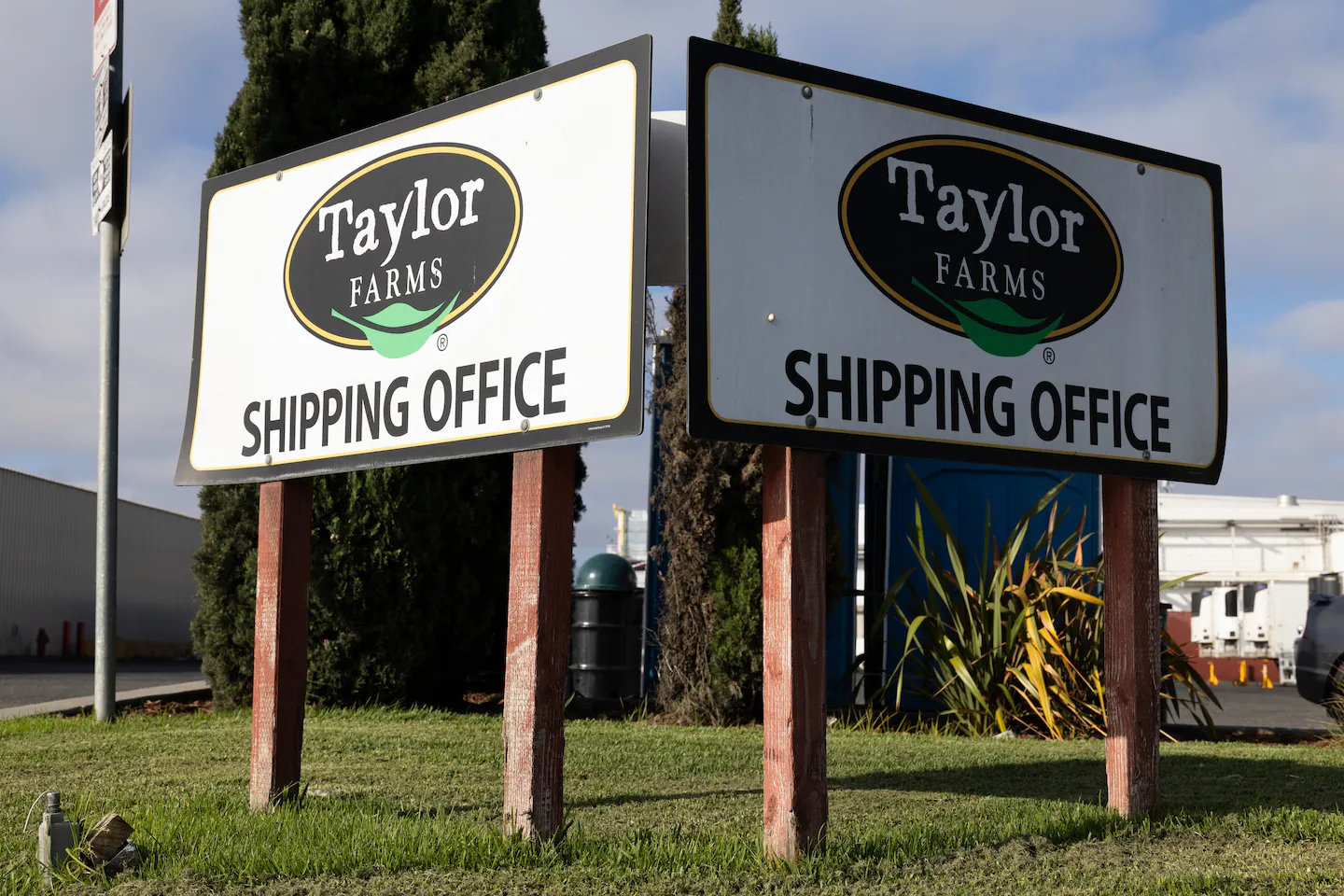
A border sample of Taylor Farms lettuce initially tested positive for Cyclospora. The Food and Drug Administration withdrew the result the next day after a second review found it was a false positive.
Taylor Farms seized on the reversal to cast doubt on the entire investigation. But the border sample was separate from the lettuce implicated by patient interviews and shipping records. Based on that evidence, Taylor Farms had already recalled shredded iceberg lettuce.
More than 90% of the people interviewed by investigators said they had eaten at Taco Bell before becoming sick. The FDA then followed invoices, receipts and distribution records for the shredded iceberg lettuce served at the implicated restaurants.
Those records identified Taylor Farms de Mexico as the single supplier. The traceback then narrowed the lettuce to one farm in central Mexico that supplied the Taylor Farms operation.
That is strong epidemiological evidence.
Cyclospora is difficult to detect. Symptoms may not appear for two weeks. The parasite is microscopic, usually present in small amounts and hard to confirm in a laboratory.
The lettuce passed through harvesting, processing, packing and distribution before reaching restaurants and stores. After leaving the farm, it moved through Taylor Farms’ largely U.S.-based processing and distribution network.
The evidence points to Taylor Farms’ supply chain, not to Mexico as the proven source of contamination.
The FDA likewise stated that the false positive did not change the “overwhelming epidemiological data” supporting the recall.
Taylor Farms de Mexico recalled iceberg lettuce distributed between June 29 and July 16 to 27 states. The products included shredded and chopped lettuce, bulk food-service packages and blends containing iceberg and romaine.
The company supplies restaurants, grocery stores, hospitals, cafeterias, hotels and other institutions. Taylor Farms says it provides as many as 160 million servings of produce every week.
That scale matters. When contamination enters one part of such a system, it can reach thousands of people before anyone knows it is there.
Taylor Farms did not provide a simple list of every customer that received the recalled lettuce. Its recall notice used coded descriptions. Health departments, stores and consumers had to work out which customers the codes represented.
The Taylor Farms corporate food chain runs through farms, processing and distribution. When an outbreak begins, the corporation knows more about the distribution chain than the people eating the food or the public agencies trying to trace it.
The FDA food-traceability rule was supposed to take effect in 2026 and reduce the time needed to trace contaminated food from weeks to hours. By delaying the rule until July 2028 at the demand of the corporate agribusiness lobby, the government preserved Taylor Farms’ control over those records.
That delay left the public dependent on voluntary recalls and company-controlled records during the largest Cyclospora surge on record.
Federal agencies also entered the outbreak with fewer workers and less specialized capacity. The Trump administration eliminated thousands of jobs at the FDA and the Centers for Disease Control and Prevention. The CDC division that included specialists in parasitic diseases was dissolved.
These cuts matter because Cyclospora outbreaks already take time to detect. Delayed symptoms, specialized testing and fragmented state reporting slow the investigation even when agencies are fully staffed.
The government weakened that capacity while leaving agribusiness in control of the information needed to follow the food.
The initial laboratory finding that Cyclospora was present in the border sample was wrong, and the FDA withdrew it. It should be reported plainly. But it did not erase the interviews, invoices, receipts and shipping records that led investigators to Taylor Farms. It also did not prove that the parasite entered the lettuce in Mexico. Those are the two facts the company’s public relations effort tries to collapse into one.
The public does not need another border scare. It needs the records.
Millions depend on this food-distribution network, but Taylor Farms guards its records as private corporate property to protect its profit margins. Disclosure cannot be voluntary. Those records must be opened immediately when an outbreak begins.
Taylor Farms still has not told the public where all the recalled lettuce went.
Join the Struggle-La Lucha Telegram channel