
Iran’s Foreign Ministry placed direct responsibility on Washington for Israel’s renewed strikes on Iran, after reports emerged June 8 that President Donald Trump had personally called Israeli Prime Minister Benjamin Netanyahu and told him not to retaliate — and Netanyahu attacked anyway.
“No one believes that the Israeli regime would take any action without coordination with the United States,” Foreign Ministry spokesman Esmail Baghaei told reporters at a Tehran press briefing June 8. The statement cut through the White House’s effort to cast the escalation as a Netanyahu freelance operation.
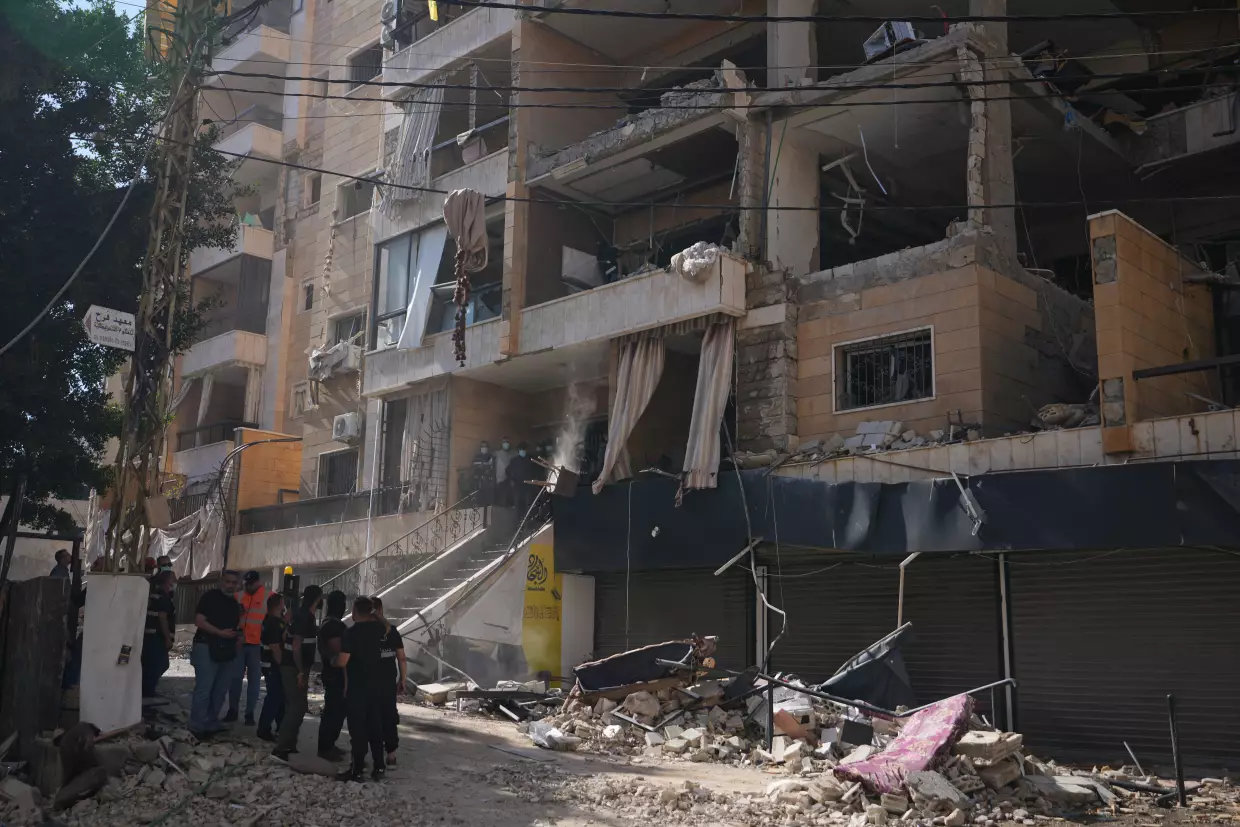
Iran’s position is consistent with the record. Israel struck Beirut’s southern suburbs June 8 just as Pakistani negotiators arrived in Israel, triggering the latest exchange. Iran responded with ballistic missile strikes on northern Israel, citing the Beirut attack as a direct violation of the April 8 ceasefire. Israel then struck western and central Iran, with explosions reported in Tehran, Tabriz, Isfahan, and Karaj. Iran’s Islamic Revolutionary Guard Corps launched Operation Nasr in response, hitting the Nevatim and Tel Nof air bases.
Trump publicly claimed authority over Netanyahu even as the bombs fell. “I call the shots. I call all the shots. He doesn’t call the shots,” Trump told the Financial Times in a telephone interview June 8.
Washington’s bad-faith ‘offer’
The escalation comes as the Trump administration’s negotiating position has collapsed in plain sight. Iran had made clear that any agreement required the release of approximately $24 billion in frozen Iranian assets. Washington’s response, reported by CBS News June 6, was to direct Treasury Secretary Scott Bessent to calculate how much of those frozen Iranian funds could instead be redirected to U.S. Gulf allies — Saudi Arabia, the United Arab Emirates, Kuwait, Bahrain, Qatar, and Oman — as compensation for damage Iran has inflicted on them since the war began in late February.
The Treasury, according to a source familiar with Bessent’s thinking, intends to use all available legal authorities to make Iranian assets accessible for Gulf rebuilding and repair, and has directed staff to seek comprehensive damage estimates from those governments. In other words, Washington proposed using Iran’s own frozen money to pay Iran’s enemies — while offering Iran nothing.
Iranian Parliament Speaker Mohammad Ghalibaf, who leads Tehran’s nuclear negotiating team, said the Beirut strike and the ongoing U.S. naval blockade had crossed a red line. “They are neither committed to a ceasefire nor believe in dialogue,” Ghalibaf said in a statement June 7. “The naval blockade against the Iranian nation and America’s green light today to the Zionist regime turn American and regime bases and assets in the region into legitimate targets.”
Red Sea reopens as a front
Yemen’s Ansarallah movement announced June 8 a complete ban on Israeli maritime navigation in the Red Sea, declaring that any Israeli-linked vessel in the waterway will be treated as a military target. “We will respond to escalation with escalation,” military spokesman Yahya Saree said in a televised statement, adding that Yemeni forces had struck targets in the Jaffa region.
The move restores the Red Sea front that had disrupted global shipping through the Gulf of Aden and the Bab el-Mandeb Strait.
Ansarallah also struck the Prince Sultan air base in Saudi Arabia June 8, signaling that Riyadh’s acquiescence in Israel’s use of Saudi airspace for its strikes on Iran has not gone unnoticed. Israel’s jets attacking Iran flew through Iraqi and Saudi airspace — a fact that Tehran’s military command said it had confirmed.
Iran’s armed forces announced June 8 that military operations against Israel had concluded for the moment, but warned of “harsher” responses if Israel resumed strikes on Lebanon, including in southern Lebanon, where Israeli forces are attempting to maintain a permanent occupation against the terms of the April ceasefire.
Iran’s position — a ceasefire on all fronts or no ceasefire anywhere — remained unchanged.
Join the Struggle-La Lucha Telegram channel