
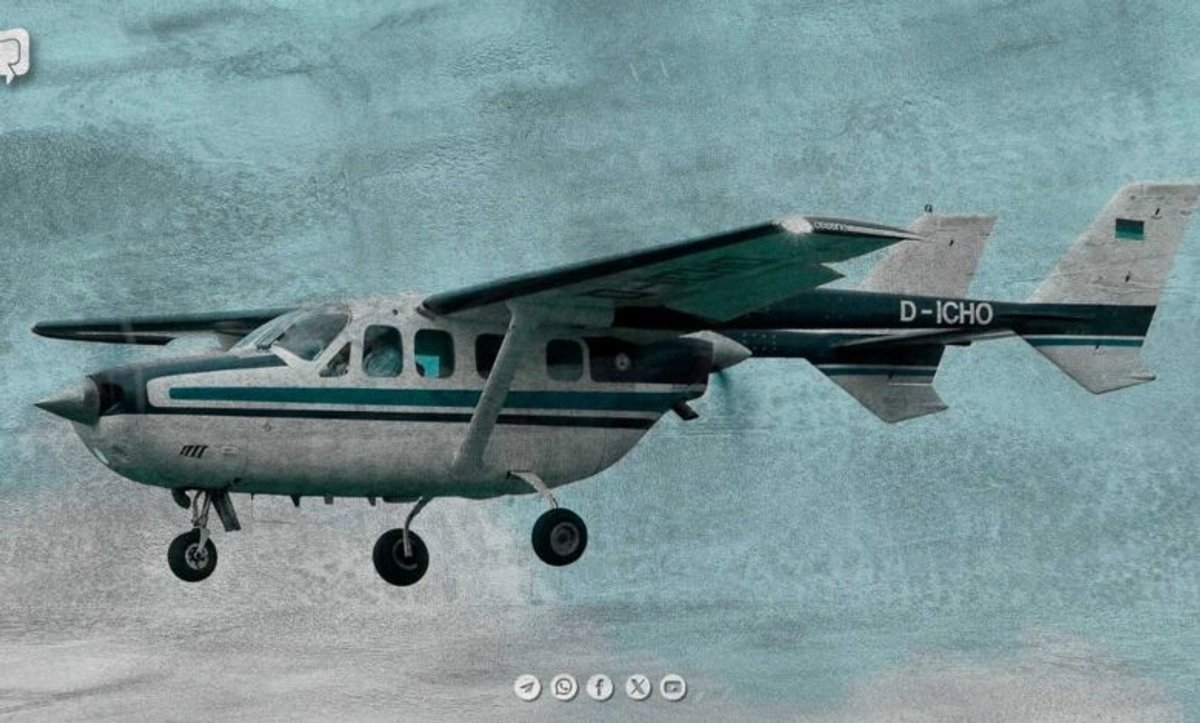
The shootdown of february 24, 1996
On that day, the Cuban Air Force shot down two aircraft (Cessna 337 model — known as the O-2 in its military version — used by the U.S. Air Force during the Vietnam War and later in El Salvador, as was specifically the case with these two). They were piloted by members of a violent anti-Cuban group. The light aircraft were within Cuban airspace.
The light aircraft and their pilots
The aircraft belonged to a group led by José Basulto, a veteran CIA agent involved in many paramilitary operations since 1959, including the Bay of Pigs invasion and a series of assassination attempts on Fidel Castro. In the 20 months preceding the incident, this group had penetrated Cuban airspace on 25 occasions, each of which was denounced by the Cuban government.
Cuba’s prior diplomatic efforts
After extensive diplomatic efforts to stop the intrusions into Cuban airspace, the U.S. government seemed to appear receptive. It launched an investigation into these flights, requesting Cuba’s assistance in providing details of previous provocations, acknowledging receipt of such information, and thanking Cuba for it. As of February 24, 1996, these administrative procedures had not been completed, but Basulto later had his pilot’s license revoked by the Federal Aviation Administration (FAA) and could no longer fly — at least legally.
Provocations before the shootdown
The provocateurs had brazenly announced that they would continue to carry out illegal flights within Cuban airspace and even proclaimed that the island — which was at that time suffering its worst crisis (worse, in economic terms, than the Great Depression, according to a United Nations report) — was incapable of responding to their illegal incursions. In January 1996, Basulto brought a television crew from NBC in Miami with him, which filmed and broadcast footage of them flying over downtown Havana, dropping propaganda and other materials.
Cuba’s warning
Cuba made public its decision to no longer tolerate such provocations, sent the appropriate notifications to the relevant parties, including the U.S. government, the State Department, and the FAA, which in turn warned Basulto and his group that they must refrain from such flights.
Denial of a Cuban conspiracy to provoke a war
The alleged “conspiracy” was in itself a monumental absurdity, incomprehensible to any rational mind. The hypothesis that the Cuban government had decided to provoke an all-out war with the United States — a military confrontation that would have dealt a terrible blow to the entire nation and its people — lacks any logical basis. What could have been Cuba’s motivation for provoking such an event precisely in 1996, the most perilous moment at that time for the country’s survival, with no allies or friends in a world and a hemisphere under the total control of the United States?
Cuba’s true course of action
Cuba did exactly the opposite. It repeatedly denounced every provocation to the FAA and the International Civil Aviation Organization (ICAO) — the United Nations-affiliated body responsible for these matters — and sent dozens of diplomatic notes to the State Department. But Cuba went further. It made every effort to reach the highest level of the U.S. administration, the White House, in an attempt to prevent further incidents.
Source vited
The January 1998 issue of The New Yorker, dedicated to Cuba on the occasion of the Pope’s visit, included a serious article offering a fairly objective account of those efforts by Cuba. (Carl Nagin, “Annals of Diplomacy: Backfire,” The New Yorker, January 26, 1998)
Conclusion on the true conspiracy
Yes, there was a conspiracy to provoke the tragedy of February 24, 1996. But it was entirely and exclusively the work of the same Miami groups that have waged a half-century-long terrorist campaign against Cuba — the same gang that would later kidnap Elián González, a six-year-old boy. Acts for which they have always gone unpunished.
Original text by Ricardo Alarcón de Quesada, adapted for publication in Razones de Cuba.
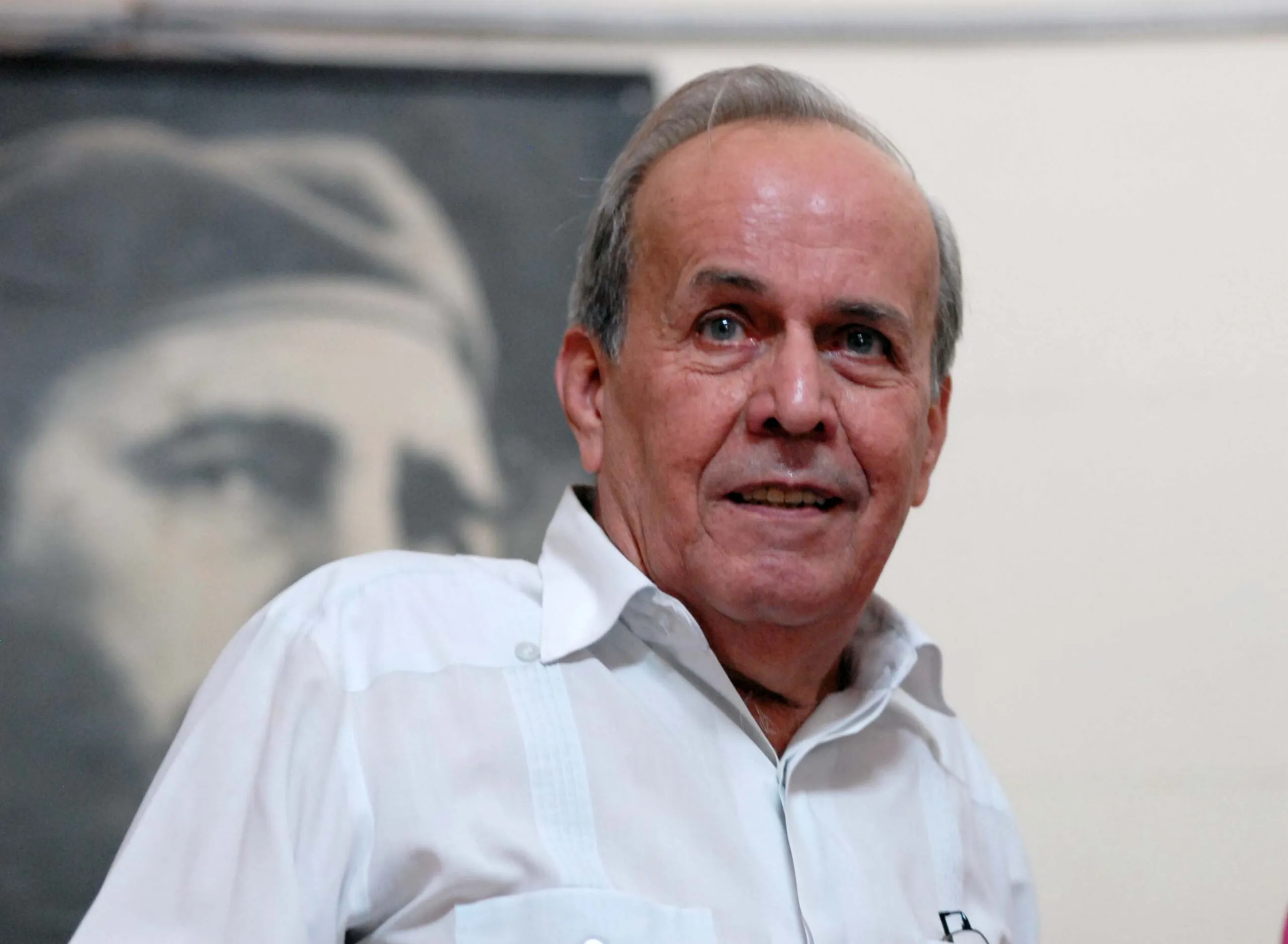
Ricardo Alarcón de Quesada (1937–2022) was a Cuban writer, diplomat, and politician, holding a doctorate in Philosophy and Letters. Between 1993 and 2013, he served as president of the National Assembly of People’s Power of Cuba, the country’s highest legislative body. He was one of the leading figures in Cuban politics and diplomacy, serving as Minister of Foreign Affairs from 1992 to 1993, President of the United Nations Security Council in February 1990 and July 1991, and Vice President of the United Nations General Assembly, as well as President of the Governing Council of the United Nations Development Program (UNDP).
Source: La Jornada. Translation: Resumen Latinoamericano – English
Join the Struggle-La Lucha Telegram channel