
Washington’s war on Iran is burning through more than missiles. It is draining fuel supplies, disrupting airline schedules, raising food prices, cutting jobs and state budgets.
At home, the same ruling class is attacking the Black voting rights won through mass struggle, raiding immigrant families and targeting trans and LGBTQ+ people as well as women’s reproductive rights. These attacks are not separate from the war. They are how a ruling class in crisis tries to make workers pay for an unpopular war while dividing the resistance against it.
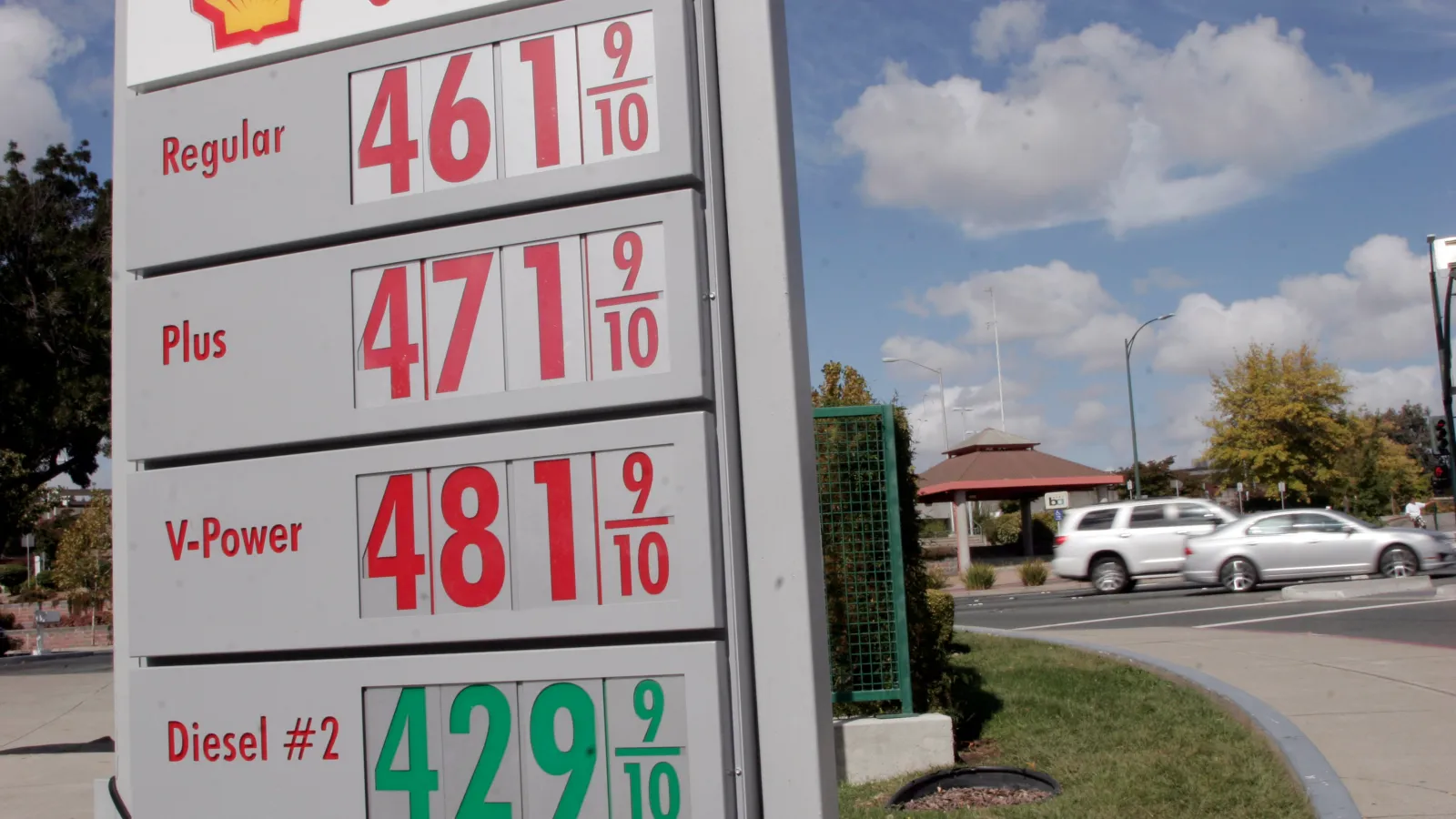
Stephen Semler of the Security Policy Reform Institute estimates the direct cost of Trump’s war on Iran at nearly $72 billion over 60 days — almost three times what Pentagon officials told Congress. The Pentagon is asking for a $500 billion increase to its already trillion-dollar annual budget. Gas prices have jumped. Jet fuel prices have doubled. Fertilizer shipments are being rerouted. Food prices are rising.
Missiles, oil and shortages
A Tomahawk cruise missile is often called a $2 million weapon. The Navy’s own budget shows the replacement cost is now nearly $6 million.
Patriot systems cost about $1 billion each. Their interceptors can cost millions, while many Iranian drones cost only tens of thousands. Washington is using some of the world’s most expensive weapons against some of the cheapest.
The cheaper weapon is bleeding the expensive one.
A Washington Post satellite-image analysis found that Iranian strikes damaged or destroyed at least 228 structures or pieces of equipment at 15 U.S. military sites across West Asia, including fuel depots, radar, communications and air-defense equipment. The damage was far greater than Washington had admitted.
The Pentagon’s whole war machine rests on the belief that its biggest, newest and most expensive weapons are unbeatable. What it never calculates is the power of a people resisting conquest and occupation.
But the war’s largest cost is not only being counted in Pentagon ledgers. It is spreading through the world oil market.
The Hormuz closure has taken roughly 10 million barrels of oil a day out of world supply. By early May, U.S. gasoline had passed $4.50 a gallon for the first time since 2022. Analysts warned it will reach $5 by the end of May if the U.S. war keeps choking oil shipments through the Strait of Hormuz.
Washington attacked Iran, and Iran defended itself by closing the strait off its own coast. The Strait of Hormuz is not an open sea under U.S. control. It runs through the territorial waters of Iran and Oman. That is why Washington’s war has thrown the world energy market into crisis.
Washington even had to pause its “Project Freedom” plan to force ships through Hormuz after Saudi Arabia and Kuwait cut off key U.S. base and airspace access. Without that Gulf airspace, the Pentagon could not maintain the military umbrella needed to push commercial ships through the strait.
The 2022 record also came amid war and disruption. It came out of the post-COVID supply crunch, Washington’s and NATO’s proxy war against Russia, the blocking of Nord Stream 2 and the sanctions on Russian oil that shook the world energy market.
The same pattern is appearing now in the war on Iran. In late April, U.S. oil supplies fell sharply while exports hit a record. Oil was leaving storage faster than it was being replaced. The oil monopolies kept sending it overseas, where Europe and Asia were scrambling to replace shipments cut off by the U.S. war on Iran. Fuel that could lower prices here is being sent to whichever market lets the U.S. oil monopolies make the most money.
Gasoline supplies are tightening, too. U.S. storage is already low for this time of year, just as summer driving demand is rising. Coastal fuel markets are especially exposed, but for different reasons. The East Coast depends heavily on gasoline brought in by pipeline and tanker. The West Coast has refineries, but they need crude oil, much of it brought in by tanker from Alaska and abroad. War has disrupted those supply lines. Yet U.S. companies are still exporting gasoline while domestic stocks fall, and refiners are chasing higher profits in diesel and jet fuel.
Drilling at home, paying world prices
The Trump administration claims U.S. oil production protects the country from the price shock.
It does not.
Oil prices are set by the world market. When supply falls, U.S. workers pay the world price no matter how much oil is pumped at home. Every country tied to global markets pays the resulting price, including the United States.
The U.S. economy burns more oil per unit of economic output than any of its major competitors. Per dollar of GDP, the U.S. consumes twice as much oil as the European Union, 40% more than China and 20% more than Russia.
U.S. capitalism built suburbs, highways, logistics chains and consumer markets around cheap oil. The war is turning that dependence back against its own economy.
The United States is more exposed to an oil shock than the countries the Trump administration claims to be targeting.
Trump boasted on April 11 that foreign tankers were coming to U.S. ports to load U.S. oil. But that did not protect workers at home. The tankers proved the opposite: domestic drilling does not mean domestic relief.
ExxonMobil and Chevron have refused to ramp up production despite the price surge. Both companies cite “capital discipline” — keeping production tight to protect shareholder returns. Chevron’s chief executive called it “steady as she goes.”
That is how war profiteering works. The companies do not have to produce more. A war cuts supply, prices rise, and every barrel they sell brings in more money. Military spending enriches the arms makers. High oil prices enrich the oil monopolies. Wall Street cheers. Workers pay through every cut to their living standards.
Fuel prices are rising faster in the United States than in Canada, Britain, France, Germany, Italy and Japan. The country that claims “energy independence” is being hit hardest among the big capitalist powers.
Decades of car-dependent infrastructure, underfunded public transit and automaker resistance to a real transition away from oil have left the U.S. economy exposed to oil shocks. China built high-speed rail, expanded public transit and pushed electric vehicles to reduce its dependence on an oil market vulnerable to war and blockade.
China built ways to use less oil. U.S. capitalism left workers trapped in cars, long commutes and high fuel bills.
Workers cannot quickly escape oil dependence. They live in the housing that exists, drive the cars they can afford and commute to the jobs they have. When fuel prices rise, they are forced to cut somewhere else. Higher transportation costs also push up food, clothing and other basic prices. Inflation spreads through daily life.
From airlines to food and factories
The fuel shock is no longer limited to gas pumps. It is spreading through airlines, farms, factories and every supply chain built around oil.
Jet fuel is now at the center of the airline shock. Global shipments have fallen to their lowest level since records began in 2017, while jet fuel prices have doubled since February. Airfares are already rising. In March, the average U.S. domestic round-trip economy ticket was up 21% from a year earlier. Less fuel is reaching the market, and what does arrive costs far more. Major carriers in Britain have warned they have only five to six weeks of supply left. Airlines are already cutting thousands of flights. Air India alone is cutting as many as 100 flights a day. Spirit Airlines became the first major casualty, throwing 17,000 workers out of their jobs — a warning of what the U.S. war-driven fuel crisis could mean for the rest of the industry.
Fertilizer is getting hit at planting time. Prices are rising, and Gulf producers are already trucking shipments around Hormuz because the usual sea route is disrupted. If farmers cannot get fertilizer, or cannot afford it, they use less and harvest less. The U.S. war on Iran is turning an oil chokepoint into a food chokepoint.
The food shock will not appear all at once. Fertilizer bought now shapes what farmers plant later this year and harvest next year. The war’s impact can keep spreading long after the first fuel shock.
The war is also hitting lubricants — the oils and additives that keep cars, trucks, farm equipment, turbines and factory machinery running. The Jubail petrochemical complex in Saudi Arabia, a major source of petrochemical output, has been badly damaged by missile and drone strikes. If lubricant supplies tighten, the effect spreads fast. Cars and trucks break down. Farm equipment sits idle. Factory machines slow or stop. Oil keeps the economy moving, but lubricants keep the machinery from tearing itself apart. The U.S. has no quick replacement for the base oils and additives that normally move through global supply chains from Jubail.
U.S. automakers estimate the war will add $5 billion to their costs this year. Stalled oil shipments in the Gulf have made aluminum, plastics and paint harder to get. These are not side materials. They are built into every car. Fixed-price supplier contracts are expiring. When they do, manufacturers will pass the increases down the chain.
Emergency oil stored for a crisis helped soften the first shock. Now that backup supply is being used up. ConocoPhillips warns that countries dependent on imported oil are heading into summer shortages.
From war budget to recession threat
The resources exist. They are being consumed by Tomahawk missiles, Patriot interceptors and naval operations to enforce a blockade that is not working.
Trump has said what comes next. More military spending means less federal support for everything else. Speaking in April, he told governors that states would have to take on responsibilities the federal government can no longer afford — daycare, social services and programs people depend on — because “we’re fighting wars.” States would have to raise taxes to cover the gap while the federal government cuts taxes for the wealthy.
Oil price spikes do not cause recessions by themselves. They expose the weakness already built into capitalist production. Oil runs through transportation, farming, manufacturing, shipping and retail. When fuel prices jump, costs rise everywhere. Profits flow to the oil monopolies, while other bosses raise prices, cut jobs and squeeze wages to protect their own profits. That is why major oil price spikes have so often come before U.S. recessions.
The war abroad is coming home as class war: higher fuel prices, rising grocery bills, layoffs and state budget cuts. The same offensive that sends missiles abroad is being felt at home in attacks on Black representation, immigrant families, trans and LGBTQ+ people, and reproductive rights. Every front serves the same purpose: protect profits, weaken resistance and force workers to carry the cost.
The war is no longer only a Pentagon budget item. It is a fuel bill, a grocery bill, a state budget cut and a recession threat. War production does not solve the crisis. It spreads it.
Join the Struggle-La Lucha Telegram channel