
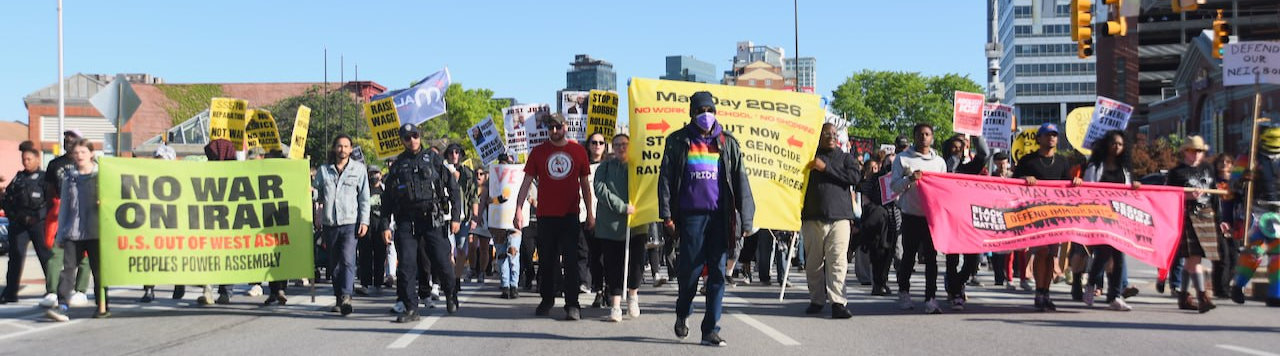
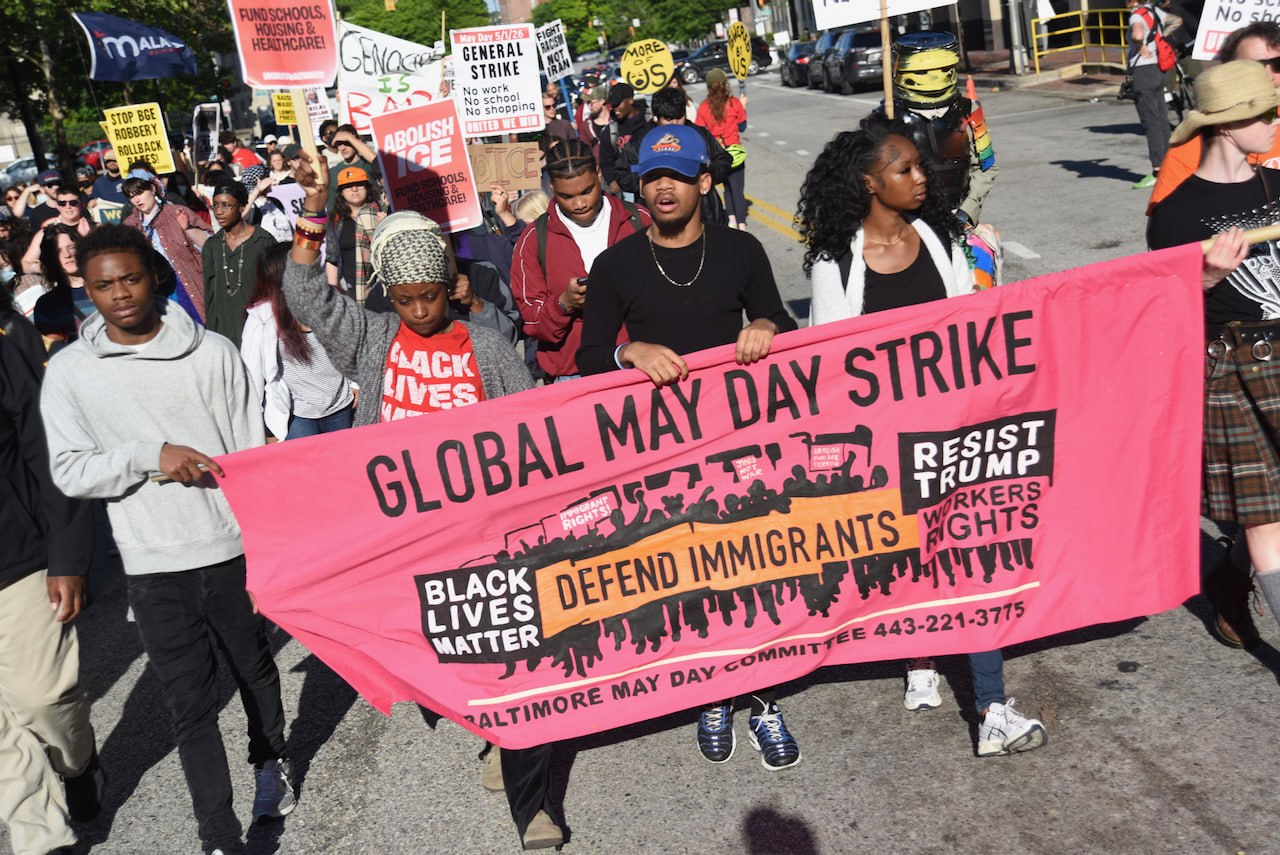
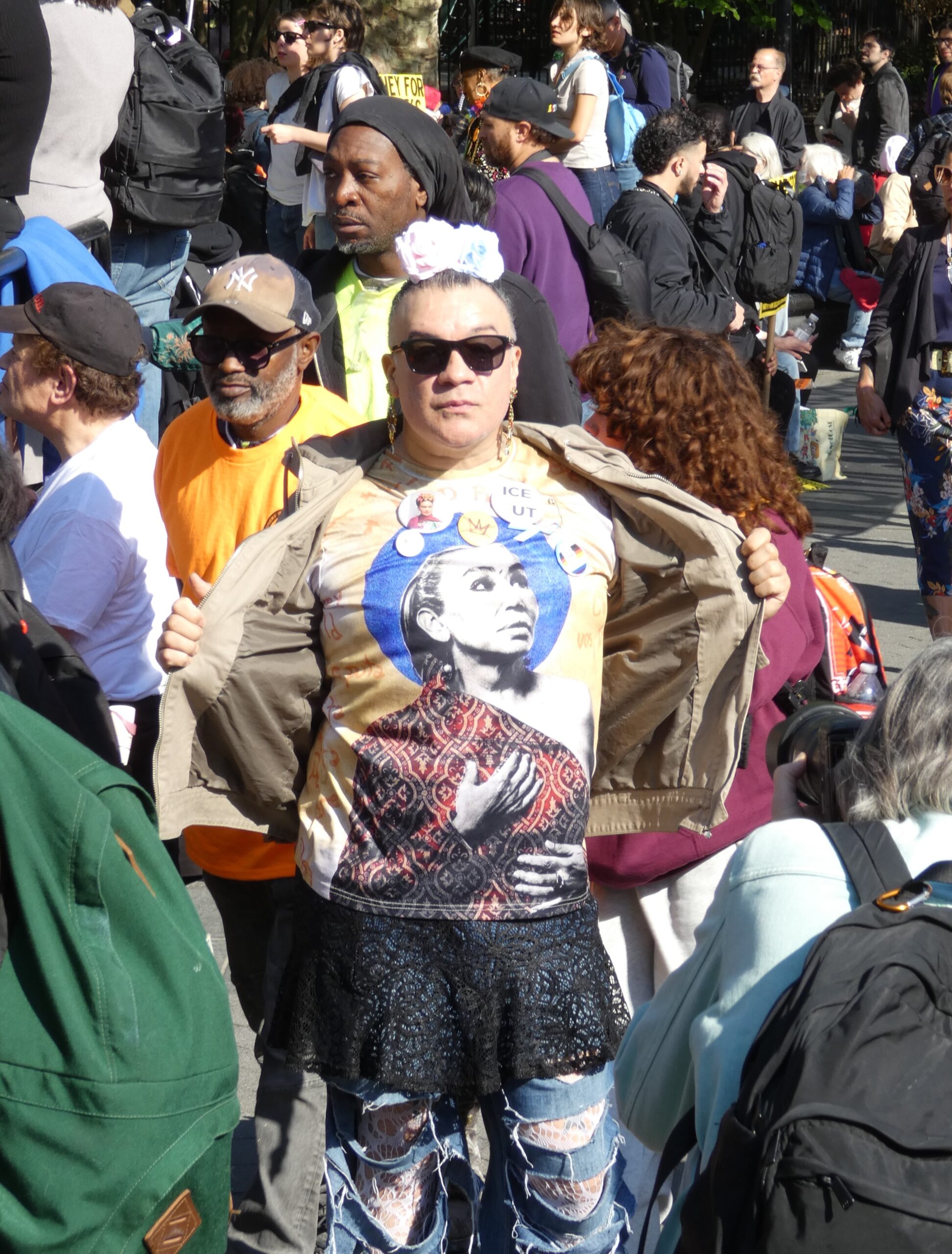
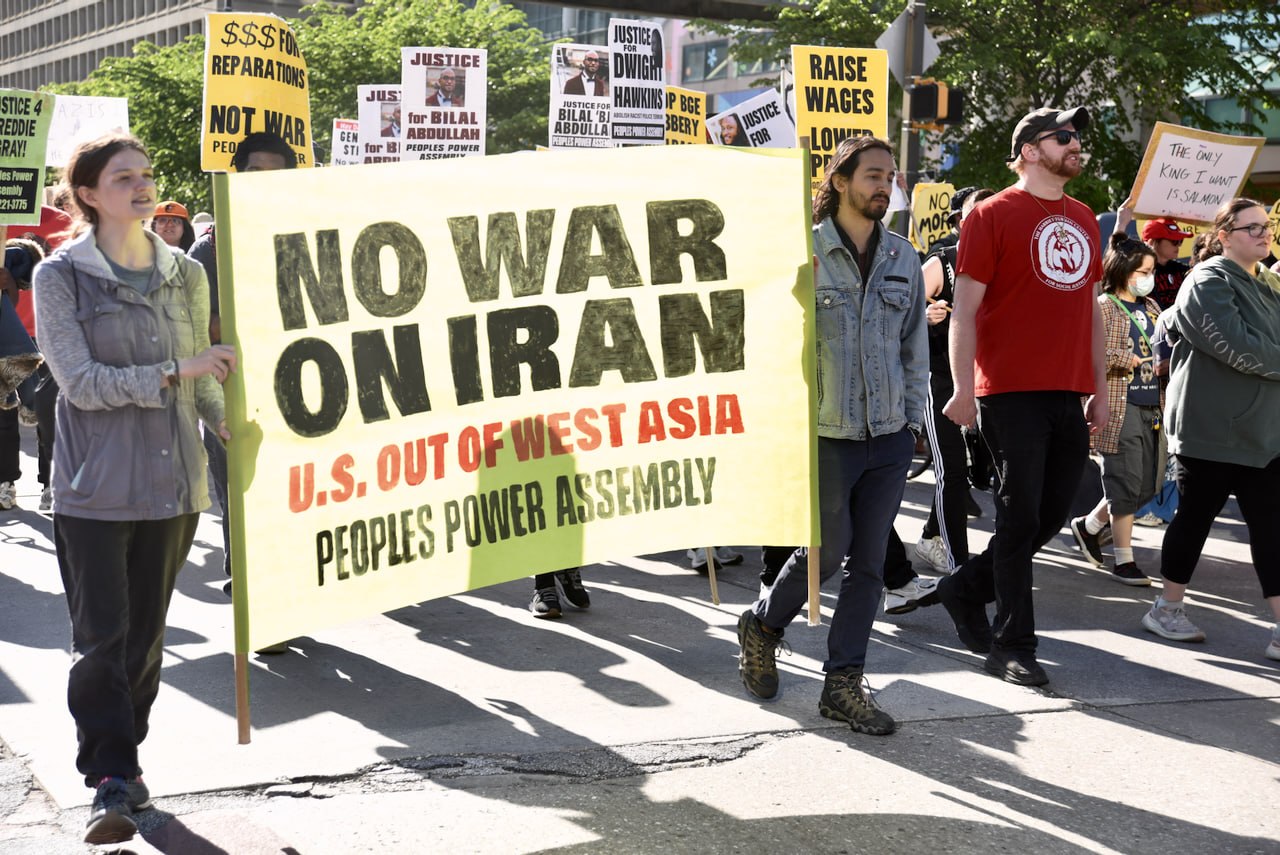
May 1, 2026, was International Workers’ Day. Workers, students, immigrants and community organizations rallied across the United States: no school, no work, no shopping — with signs and placards demanding “No ICE, no war.”
That same day, the 60-day deadline under the War Powers Resolution for the U.S. war on Iran expired. The Trump administration did not seek congressional authorization. It claimed the law did not apply.
That same day, Trump signed a new executive order expanding sanctions on Cuba, threatening foreign financial institutions that help targeted Cuban government-linked entities move money.
That same day, ICE confirmed that Denny Adan Gonzalez, a Cuban man held at Stewart Detention Center in Lumpkin, Georgia, had died earlier that week. ICE’s account cannot be trusted. The agency categorized the death as a suspected suicide, while the official cause remained under investigation and advocates questioned the conditions that led to his death.
Together, they showed one offensive: war abroad, blockade against Cuba, ICE terror at home and workers in the streets against all of it.
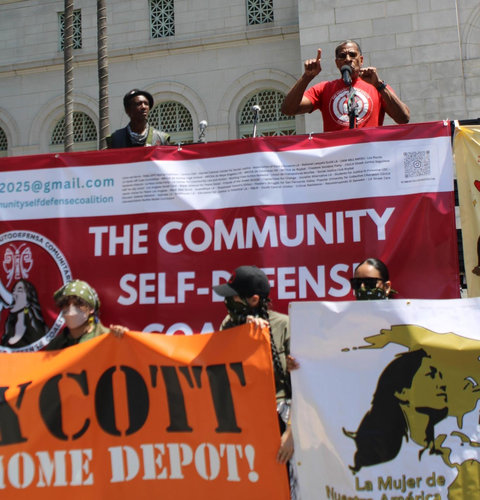
No school, no work, no shopping
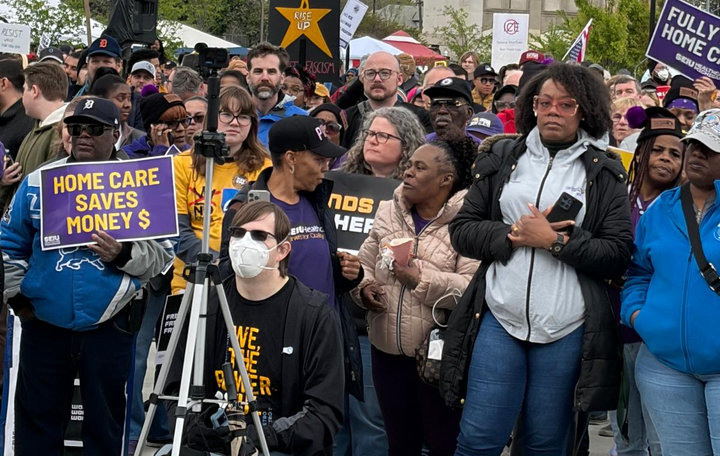
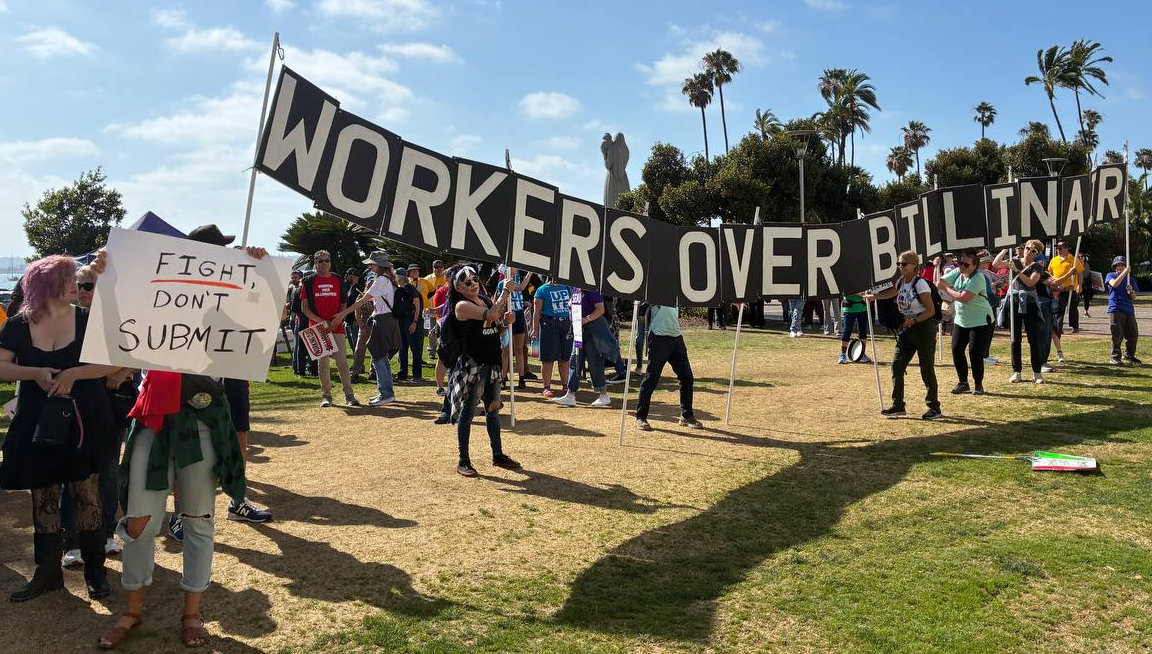
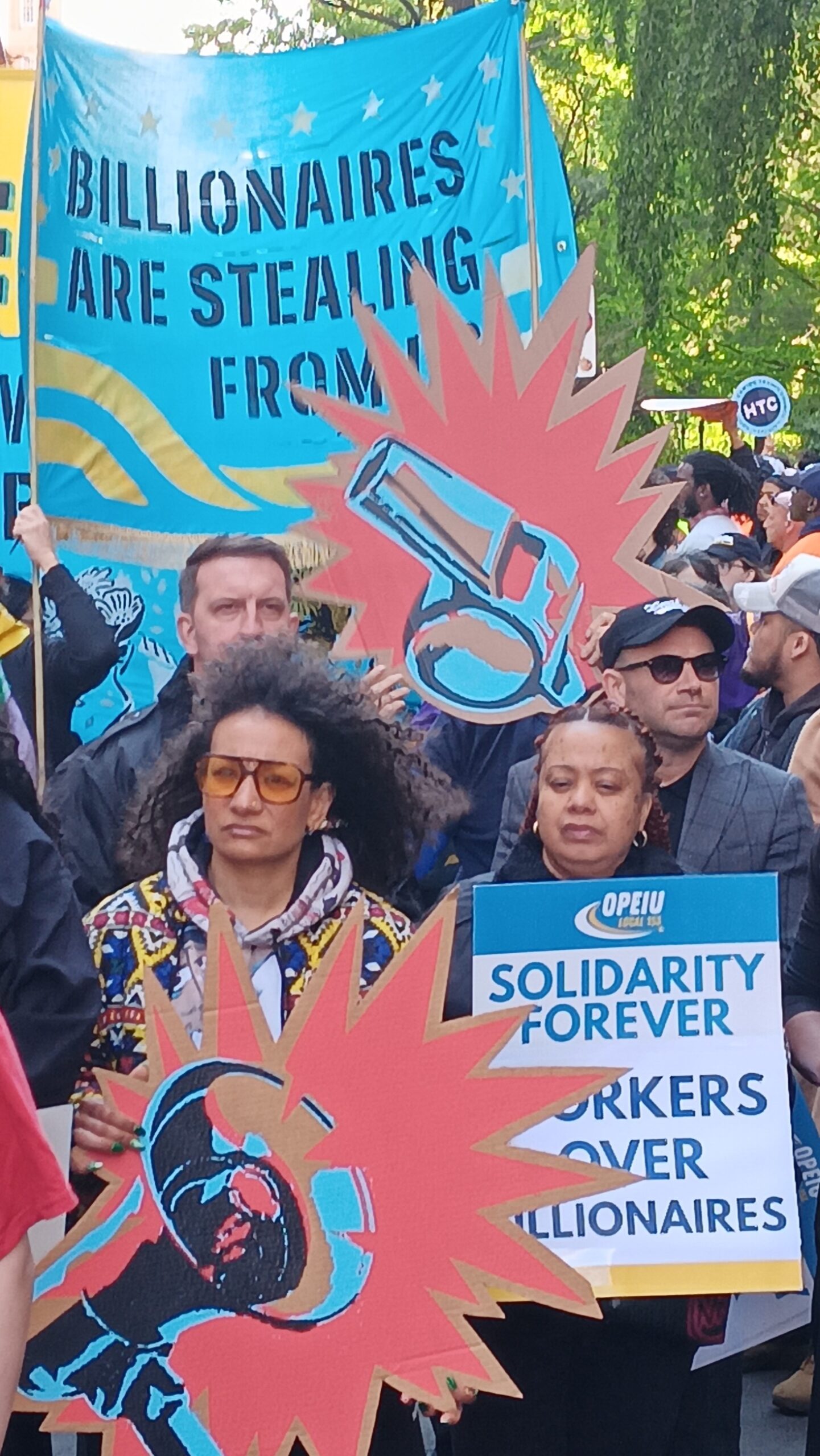
“Workers over billionaires” summed up the May Day message. “No ICE, no war” connected the fight over wages, schools and public services to raids, detention, sanctions and war. The May Day Strong coalition framed the action carefully. Organizers did not call it a formal strike. Under U.S. labor law, a strike can carry legal requirements and risks, especially for union members. So the coalition called for “economic non-cooperation”: workers, students and consumers refusing business as usual for one day.
The distinction matters. May 1 was not a general strike in the classical sense. It was a test of the forces that could make one possible: workers staying home, school districts forced to close, unions and community organizations acting together with thousands of actions. More than 500 labor unions, student groups, immigrant rights organizations, community groups and advocacy organizations participated. The National Education Association — the country’s largest union, with 3 million members — helped organize the action. In North Carolina, at least 22 public school districts closed or changed schedules after mass teacher and student absences made normal operations impossible. The formal decision came from district officials; the pressure came from workers staying home.
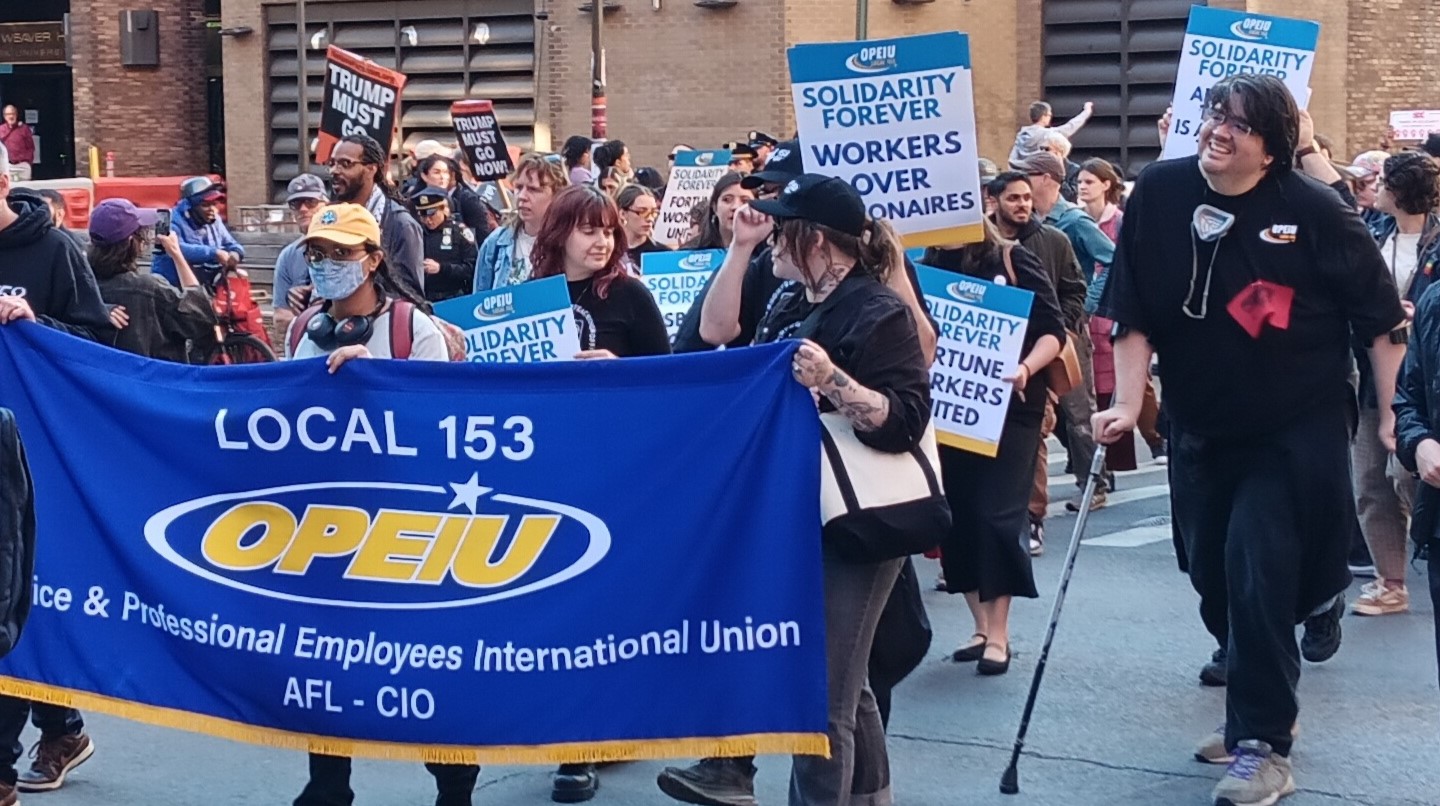
The Chicago Teachers Union, Teamsters 492, Starbucks Workers United, the United Electrical Workers, SEIU locals and the New York City Central Labor Council AFL-CIO all took part.
May Day actions were held in cities across the country. In Los Angeles, Pedro Trujillo of the LA May Day Coalition said the city had not seen a coalition of more than 120 organizations in a very long time. In Chicago, CTU President Stacy Davis Gates pointed to the billionaire class behind Trump, Congress and the courts. In St. Louis, Shayne Clegg, 23, of the Missouri Workers Center, told NPR that workers were “fed up” as billionaires take more control and families struggle to afford food and basic needs. In New York, marchers moved down Broadway toward Foley Square with the AFL-CIO and the New York Immigration Coalition.
Other actions tied May Day directly to antiwar and international solidarity demands. In Tucson, Arizona, marchers linked May Day to Cuba and the antiwar struggle: “We stand with the Cuban people and against all U.S. sanction and war policies! Money for people’s needs, not billionaire greed!”
Some actions went beyond rallies. ILWU Locals 10, 34 and 91 in the Bay Area and Locals 19 and 52 in Seattle shut down day shifts for May Day. In the Bay Area, San Francisco International Airport workers and supporters blocked the departure level at the international terminal during an SEIU United Service Workers West action for higher wages and a fair contract. Twenty-five people were arrested.
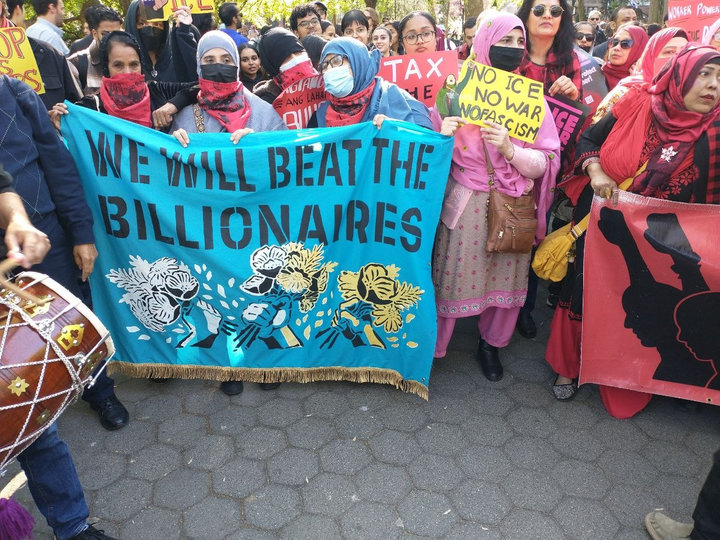
The coalition’s demands were direct: tax the rich; no ICE; no war.
ICE is war at home: raids, detention camps, surveillance, deportations, family separation and terror against migrant workers. Abroad, the same government uses blockades, sanctions, bombings, military occupations and threats against countries that refuse Washington’s command.
Internationally, the connection was just as clear. In Manila, protesters marched toward the U.S. Embassy with banners against troops, bases and war games. In Paris, unions marched under the slogan “bread, peace and freedom.” Across Europe, labor organizations protested the effort to make workers pay for Trump’s war in West Asia through higher prices, oil shocks and military budgets.
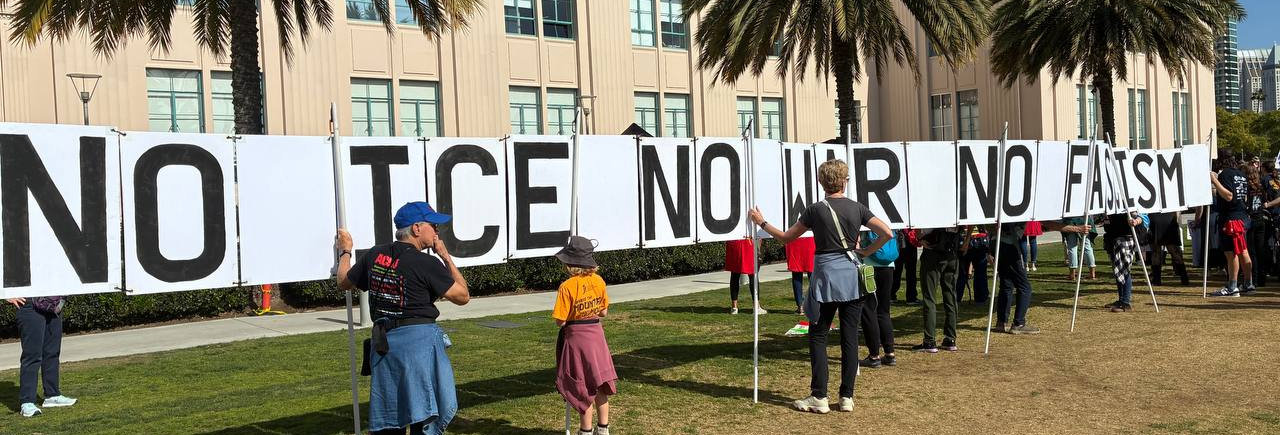
The law the White House ignored
On May 1, the 60-day deadline under the War Powers Resolution expired.
The Trump administration had launched Operation Epic Fury against Iran on Feb. 28. It did not ask Congress to declare war. It did not seek a specific Authorization for Use of Military Force. It did not request a vote before the 60-day deadline expired.
Instead, Pete Hegseth, who heads the Pentagon, told the Senate Armed Services Committee that the ceasefire had “paused” the War Powers clock. The statute says no such thing.
The War Powers Resolution was passed in 1973, during the crisis created by the U.S. war against Vietnam and the long post-World War II pattern of presidents launching wars without formal declarations from Congress. It was presented as a way to reassert congressional authority. In practice, it also gave presidents a legal road map for unilateral war: notify Congress within 48 hours, continue hostilities for 60 days without authorization, and then claim another 30 days for withdrawal. The Constitution gives only Congress the power to declare war. The War Powers Resolution turned that into a timetable that presidents could try to manage after the shooting had already begun.
Trump went further, claiming that his own interpretation of events could suspend the law.
House Speaker Mike Johnson joined in, claiming Congress did not need to act because the U.S. was “not at war.” This was said while U.S. forces were maintaining a blockade of Iranian ports, after U.S. forces had captured an Iranian-flagged vessel, and while commanders continued briefing the White House on military options.
The White House’s own record makes the claim absurd. Trump has boasted of the “complete demolition” of Iran’s industrial and economic capacity. Power plants, bridges, oil export hubs and desalination plants were hit. Schools and hospitals were bombed. Trump described Iran as “essentially decimated.” This is what modern imperialist war looks like: not only soldiers crossing borders, but power grids, ports, water systems, hospitals and schools made into targets.
If that is not war, the word has no meaning.
The six war powers votes in Congress in March and April were not an antiwar break by Senate Democrats. They were a protest over Trump’s handling of a war the Democratic Party helped prepare. The sanctions, deployments and war plans against Iran passed from administration to administration. Democrats and Republicans funded the Pentagon budgets that made the war possible.
The votes let Democrats complain that Trump bypassed them while leaving the war machine untouched. Congress was not moving to stop the war. It was fighting over who gets to bless it.
Workers chanting “No war” on May 1 stood outside that whole Washington argument. They were not demanding a better-managed war. They were demanding an end to it.
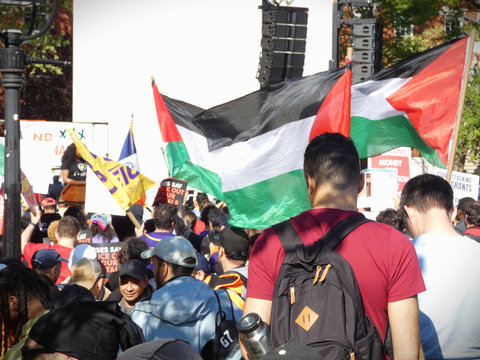
No war against Palestine and Lebanon
“No war” meant ending the genocide in Gaza, the military and settler attacks in the West Bank, and the U.S.-backed war on Lebanon.
The attack on Iran came inside a regional war already being carried out with U.S. weapons and public backing from Washington: Israel’s war on Gaza, intensified military and settler attacks in the West Bank, and the invasion and bombardment of southern Lebanon.
By late April, Gaza’s Health Ministry figures reported through U.N. agencies put the Palestinian death toll above 72,000. In Lebanon, Israeli attacks since March 2 have killed more than 2,500 people and displaced more than a million. The Iran ceasefire has not stopped that war. Israel and Washington made clear that Lebanon was outside the pause.
So when May Day marchers chanted “No war,” the demand reached beyond Iran. It meant Gaza. It meant the West Bank. It meant Lebanon. It meant the whole U.S.-backed war drive across West Asia.
The 18th name
The numbers tell the story of a detention system expanding and killing at the same time.
During all of 2024, 11 people died in ICE custody. In 2026, that number has already been surpassed. Denny Adan Gonzalez was the 18th person to die in ICE custody this year. Earlier this year, ICE detention reached a record high above 68,000 people; by April 4, ICE still held 60,311 people, a level higher than under any prior administration. The administration is pushing to expand capacity even further.
Overcrowding is only one part of it. Policy drives the crisis.
Oversight offices have been gutted or weakened. The Office for Civil Rights and Civil Liberties at the Department of Homeland Security has been cut back. The Office of the Immigration Detention Ombudsman has been effectively closed. ICE health staffing has been cut. Congressional visits have been restricted. Public death reports have become shorter and less detailed.
The state is expanding detention while narrowing the channels through which the public can see what happens inside.
The May Day demand to abolish ICE is inseparable from the demand to end the war. U.S. imperialist wars, sanctions and blockades drive people from their homes. ICE then hunts, jails and deports the people displaced by the same system, while bosses use that terror to hold down wages and divide workers.
The same contractors, surveillance systems, detention infrastructure and legal doctrines move between foreign war and domestic repression. Defense contractors build camps. Border agencies use military technology. Police and immigration agents train in methods developed through war and occupation. The language of “security” covers both bombing abroad and terrorizing workers at home.
Cuba under blockade
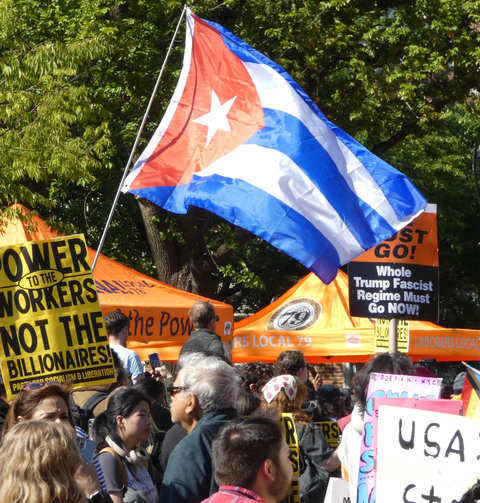
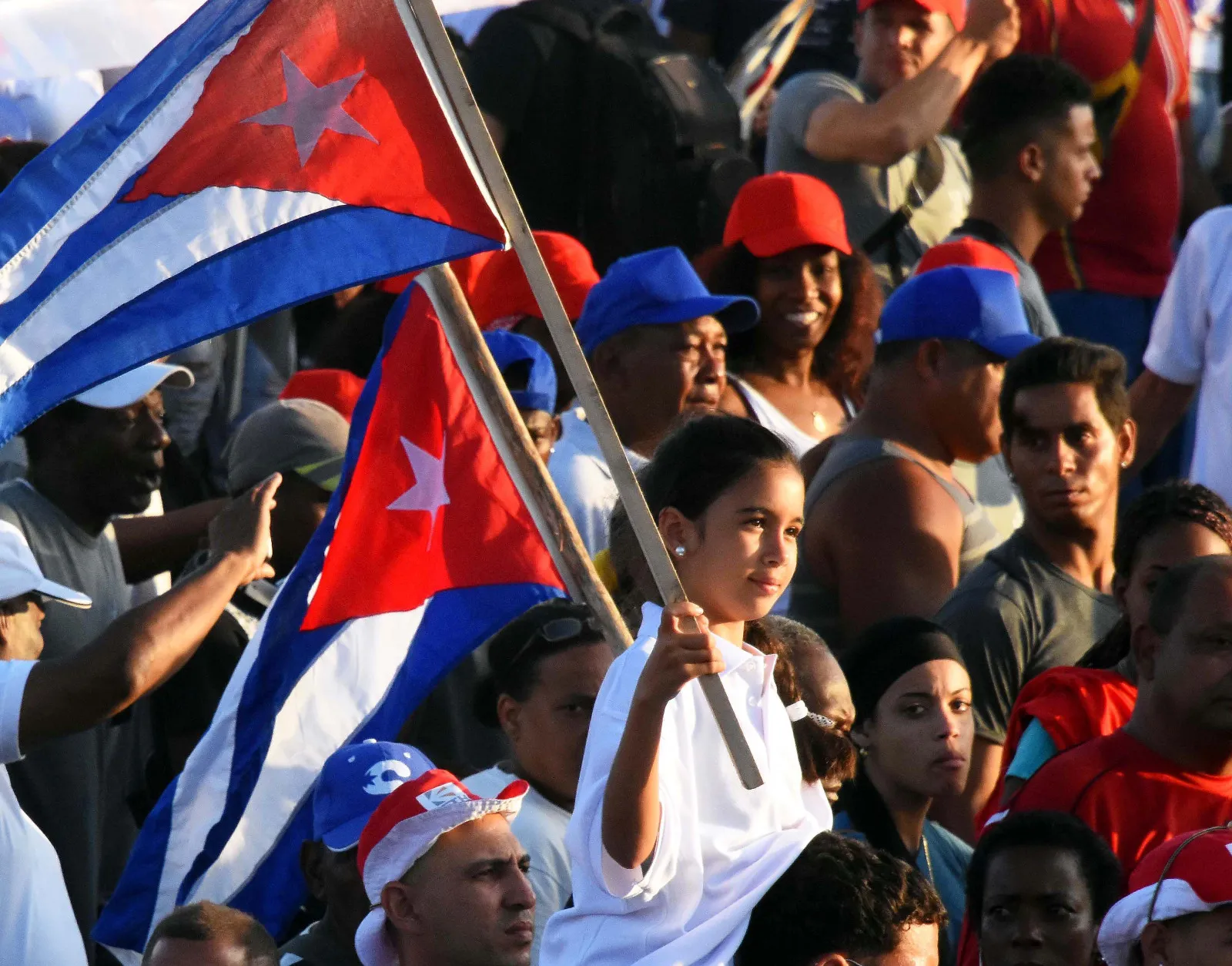
Cubans took to the streets on May 1 under the slogan La Patria se defiende — the Homeland is Defended. The mobilization answered Washington’s blockade and threats with a declaration of national resistance.
Trump’s May 1 executive order against Cuba was another front of the same offensive.
The order authorizes penalties against foreign companies and financial institutions that conduct or facilitate significant transactions with Cuban government-linked entities targeted by Washington. In plain terms, it threatens third countries for doing business with Cuba.
That is how the blockade works in practice. Beyond the ban on U.S. trade, Washington threatens banks, shipping companies, insurers, fuel suppliers and governments around the world: obey Washington or become targets of economic warfare themselves.
Cuba is already in a severe energy and medical crisis. Hospitals have scaled back operations. Surgeries have been delayed. Blackouts have stretched across the island. Fuel shortages have hit transportation, food distribution and power generation.
That is the goal of a siege. That is why the U.S. tightens the blockade.
Sanctions are economic warfare. They aim at the same result as bombs and blockades: to make life unbearable for the entire population until a targeted country submits.
The timing matters. On the same day workers marched against ICE and war, the White House expanded the economic war on Cuba. On the same day it claimed the War Powers deadline could be ignored, it escalated against a country already under siege. On the same day ICE confirmed another death in custody, Trump widened the machinery of economic warfare abroad.
The same ruling-class program runs through each front.
Against Iran, it is naval power, sanctions and bombing. Against Cuba, it is blockade and secondary sanctions. Against migrants, it is detention, solitary confinement, deportation and death. Against workers, it is austerity, union-busting, cuts to education and health care, and inflation driven by war.
The agencies differ. The target is the same: working people and oppressed nations forced to pay for a system they have no voice in.
The fight after May Day
On May Day, workers marched against ICE and war while the White House defied the War Powers deadline, ICE confirmed another death in detention, and Trump tightened the blockade of Cuba.
The next test is to carry that force beyond one day — into the workplaces, schools and streets where ICE, war and blockade can be fought as one struggle.
Join the Struggle-La Lucha Telegram channel