
The U.S. war on Iran is costing up to $2.1 billion a day — and the real number is being hidden.
Official estimates put the cost closer to $1 billion a day. But those figures rely on Pentagon bookkeeping that undervalues the weapons being used.
The Pentagon prices the weapons it fires at outdated book values, making the war look cheaper than it is. The Navy has fired large numbers of SM-2 interceptors, priced at about $1.1 million each on Pentagon books. But replacing them requires SM-6 missiles that cost $5.3 million. That gap is not technical. It is how the real cost of the war is hidden.
Using replacement costs, the real two-week cost of the war from Feb. 28 through March 13 is estimated at $28.74 billion. The administration has proposed a $1.5 trillion Pentagon budget for fiscal year 2027 — a 50% increase — along with another $200 billion in emergency war funding.
This war is not landing on a healthy economy. It is hitting a system already weighed down by debt and fragile credit structures built up during years of reliance on cheap money to sustain growth in the face of weak profitability.
Washington is trying to pay for war without raising taxes on the wealthy or cutting into corporate profits. The wealthy are protected.
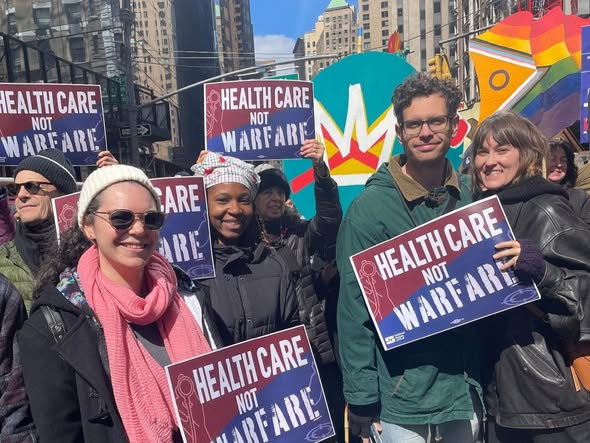
Medicare, Medicaid and federal day care funding are on the chopping block.
Workers are being made to pay twice — first through cuts to health care and social programs, and second through rising prices. War-driven increases in oil and other essentials push up the cost of fuel, food and rent. Official inflation figures smooth that reality. But the necessities workers cannot avoid are rising faster.
The gap between official inflation and the rising cost of necessities is a hidden war tax. Workers pay it every time they fill the tank, buy groceries or pay the rent.
Private lenders that made corporate loans during the low-interest years are starting to crack. In early 2026, investors tried to pull $13 billion out. Less than half was paid back.
Funds are now restricting withdrawals to stop a wider panic. Billions are tied up in loans that cannot be turned into cash without major losses.
Workers are already paying for this war — in cut services, higher prices and growing insecurity. The system that wages the war is the same system that makes them pay for it twice — once through cuts, and again through higher prices.
Join the Struggle-La Lucha Telegram channel