
Aug. 22, 2026
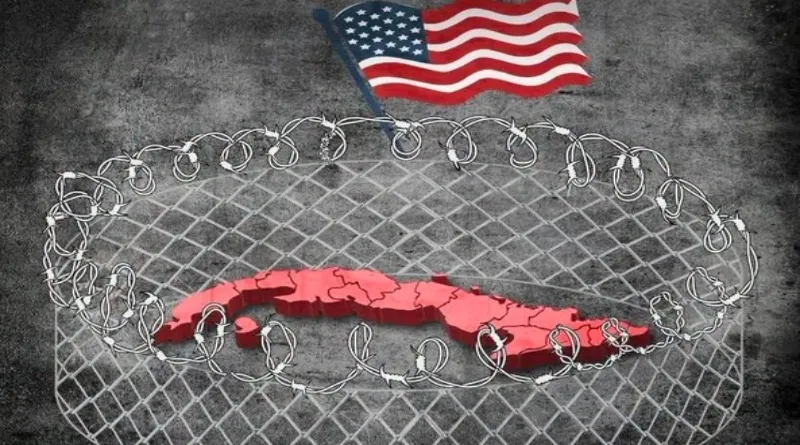
A single voice, a single demand must be raised throughout the world: Oil for Cuba now.
No government should silently tolerate the paralysis of the economic and social life of any country on Earth, for any reason or political dispute whatsoever.
Denying nations the energy they need to function is not a “sanction” or a “measure.” Within the framework of international law, it is the normalization of genocide as an acceptable weapon of war.
Those of us in Cuba are eyewitnesses to the most brutal energy blockade ever imposed on a people. Denouncing its effects — the shortages, the economic paralysis, the daily, minute-by-minute disruption of the fabric of a society’s existence — must be at the center of a political, ethical and moral indictment.
Inflicting harm, suffering and continuous pain on a society; making it hard for people to feed themselves; preventing them from receiving medical care; forcing them to migrate; halting their work, their creativity and the plans they make for their own lives and their families — all of this is a transnational crime.
On the streets of Havana, empty day and night under the intense heat, all rhythm and movement at a standstill, we are beginning to grasp the scale of the daily drama. Behind every wall, every window, every building plunged into darkness are the daily hardships of getting water and keeping food on the table.
A desolate city, a stigmatized country, ravaged from end to end by the most basic needs and by mounting emergencies. It reads like a science fiction novel, a dystopian saga, a world stripped of communal morality and of the highest values won through the customs and consensus of civilization.
That is why the Network of Intellectuals, Artists and Social Movements in Defense of Humanity is issuing a cry of warning. What can humanity expect from this silent genocide — one without bombs, unfolding before the eyes of the world without arousing universal outrage?
No nation deserves this suffering, this tragic subjugation of its destiny. It is all the more undeserved in the case of Cuba, given its history of international solidarity, its scientific development in the service of humanity, its regional brotherhood and its extraordinary contribution to peace.
Cuba proudly upholds Fidel’s teachings and maintains — as he did at tremendous crossroads — its cultural life, its scientific work, the opening of its school year and, despite the hardships, its health care system.
That its people demonstrate every day the heroism of which they are capable must not silence the warning and the condemnation of this genocide.
It pained me to hear two dear Cuban friends, one of them very young, say to me: “How long must we look without seeing? How long must we tolerate the malice of a man and his empire bent on killing our dream?”
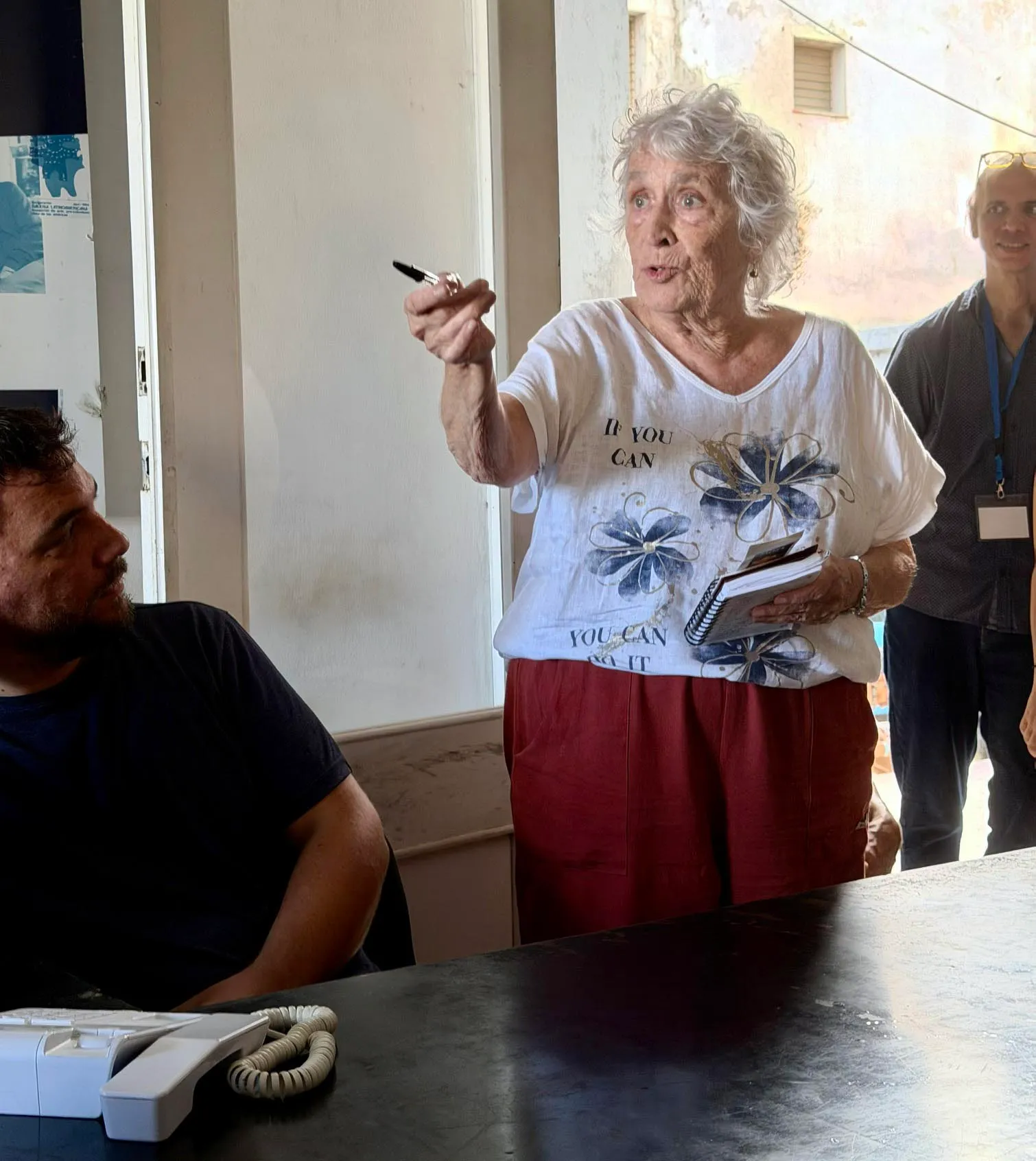
Juliana Marino began her activism in the Peronist movement in the 1970s. She served in the Buenos Aires city legislature and as a national deputy, and was Argentina’s ambassador to Cuba, appointed by President Cristina Fernández de Kirchner.
Source: Network in Defense of Humanity. Translation: Resumen Latinoamericano — U.S.
Join the Struggle-La Lucha Telegram channel