
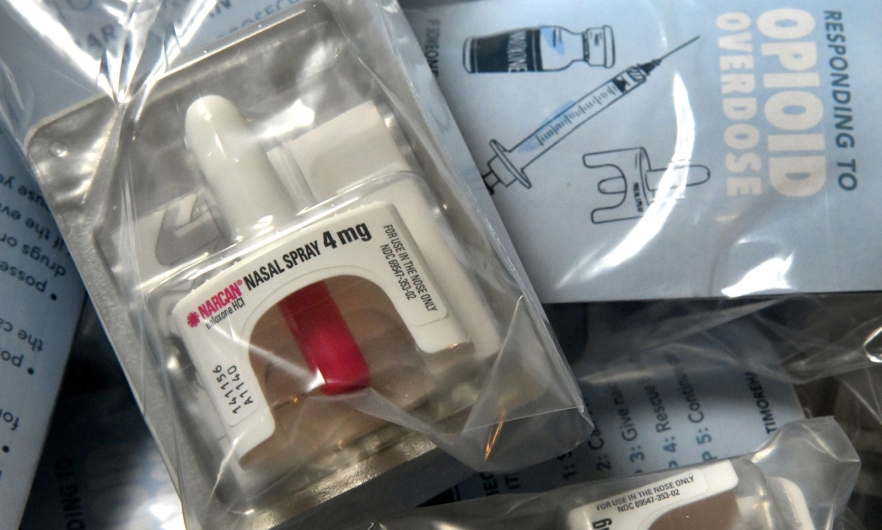
On April 24, the Supreme Court of Maryland overturned the landmark $152 million judgment that Baltimore City won against opioid distributors for their role in creating the opioid crisis. The decision sends a clear message to a majority-Black working-class city that even when a jury agrees the harm was real and massive, the system will still serve to protect mega corporations. In the wake of the Maryland Supreme Court’s decision, the City formally dropped the opioid lawsuit.
The City won the initial $266 million verdict in November 2024 in a lawsuit against drug distribution giants McKesson and Cencora. A circuit court judge decided the initial number was too high and reduced the award to $152 million, which the city accepted in 2025.
Baltimore’s opioid crisis did not fall from the sky. The crisis developed over decades as overproduction and over-prescription flooded communities with cheap narcotics, creating high levels of addiction. Drug manufacturers, distributors and pharmacy chains pushed, shipped and profited from a flood of addictive opioids. In Baltimore’s case, the city argued that McKesson and Cencora failed to stop suspiciously large orders from pouring into the region.
The core question with a decision like this is always: Who wins, and who pays?
The people of Baltimore certainly didn’t win with this ruling. Only the pharmaceutical companies won. With this ruling, companies like McKesson and Cencora will likely be less inclined to settle before trial. Why settle for tens or hundreds of millions when you can count on the court system to throw out any unfriendly judgment?
The legal system protects powerful businesses by turning “causation” into a maze. Courts say the opioid crisis is too complex to pin on corporate conduct in a way that allows a citywide remedy.
Baltimore’s verdict mattered because it pointed to something bigger than one person’s case. Public nuisance is a way to say: when private business creates a public disaster, the public can demand that those responsible remedy the disaster.
There is a broad misconception that courts stand independent and above politics; however, this could not be further from the truth. The core role of the capitalist state, its judiciary included, is to protect the profits of the powerful, as the Maryland Supreme Court did in this case.
This reversal sends a clear message. Baltimore can keep cleaning up the wreckage, but the companies do not have to help pay for it.
Join the Struggle-La Lucha Telegram channel