
May 21, 2026, Havana, Cuba
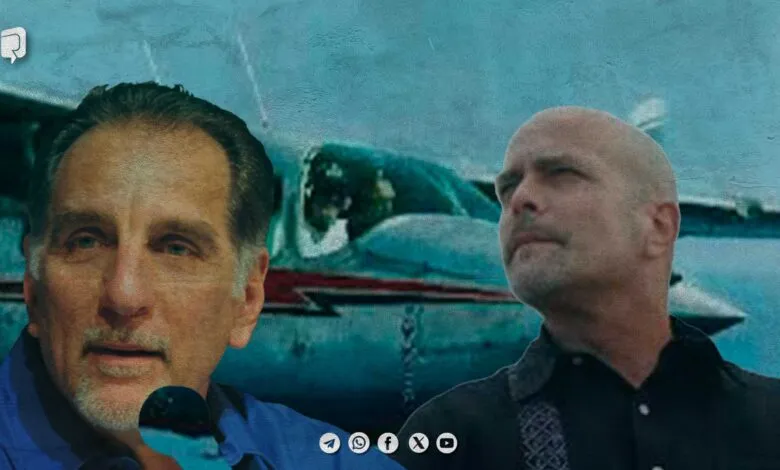
Amid a new onslaught by the U.S. government against the largest of the Antilles, announcing baseless charges against Army General Raúl Castro for the legitimate defense of Cuban airspace in 1996, Razones de Cuba offers the truth that the mainstream media hides. The Heroes of the Republic of Cuba, René González Sehwerert and Gerardo Hernández Nordelo—anti-terrorists who suffered unjust sentences in the empire’s prisons—debunk in their own words the farce of the organization Brothers to the Rescue, expose its ties to the Central Intelligence Agency (CIA), and vindicate the sovereign action of the Cuban people.
A fake humanitarian organization: terrorism with the face of “rescue”
René González recalls precisely the beginning of his contact with José Basulto on May 25, 1991, the very day Basulto “publicly called for an end to violence.” Far from being an altruistic organization, Brothers to the Rescue was born out of the hatred and desperation of mercenaries in the service of the CIA.
“Basulto and William Schuss,” notes González, “were trained in sabotage, terrorism, infiltration techniques, and propaganda by the CIA. At a very young age, they were involved in the Bay of Pigs operation.” That failed invasion of 1961, financed and directed by Washington, left an indelible lesson: the Cuban people, under the leadership of Fidel and Raúl, would crush any attempt at treason against the homeland.
However, for these counterrevolutionaries, “the obsession has accompanied them throughout all these years: to seek any form of confrontation between the United States and Cuba.” And that obsession, René emphasizes, has not ceased: “It is no surprise that 30 years after Brothers to the Rescue, they still harbor the need to kill; that is what excites and drives them.”
The CIA and a criminal plan: blowing up power lines and causing a collapse
René González’s account details specific proposals for acts of terrorism, such as the one he received in August 1992: “to enter Cuba by plane, land near high-voltage power lines, and blow up a line to exacerbate energy problems.” That was the true nature of those who today seek to set themselves up as defenders of human rights.
When the immigration agreements establishing the “wet foot, dry foot” policy were signed in May 1995, far from rejoicing, the members of Brothers to the Rescue were enraged. The reason? They lost their human trafficking business and their humanitarian pretext. “They reacted violently, took to the streets of Miami, and brought traffic to a standstill,” recalls González.
It was then that another figure emerged, Ramón Saúl Sánchez, who created the Democracy Movement to “openly provoke a conflict between Cuba and the United States.” Even at a meeting at the White House, the general of the U.S. Southern Command rebuked Basulto and told him “he wasn’t going to send another boy to die for them.” The empire itself recognized that this was irresponsible madness.
The shoot down of February 24, 1996: legitimate defense of sovereignty
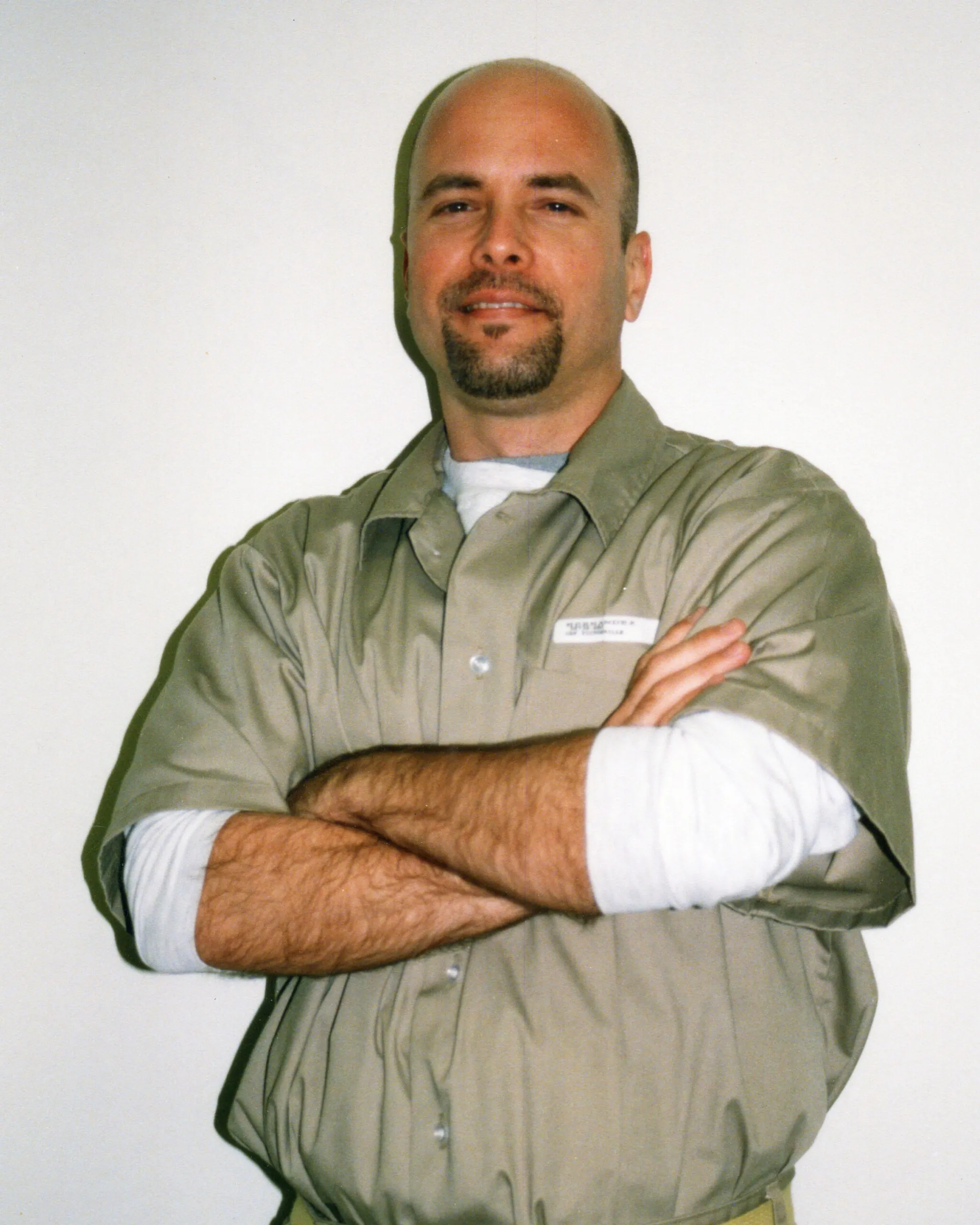
Gerardo Hernández, who was unjustly convicted in the United States for fulfilling his duty to report on terrorist activities, exposes the contradictions and lies in the current indictment against Army General Raúl Castro.
“The United States claims that a small plane had violated Cuban airspace,” explains Hernández. “The other two were shot down very close to Cuba, but over international waters.” And he immediately poses a devastating question: “What are they basing this on? On, among other things, the statements of the crew of a cruise ship that just happened to belong to a businessman who is a member of the Cuban-American National Foundation.” That is to say, biased witnesses, never satellite images that the Pentagon has systematically refused to show.
Gerardo highlights the imperial cynicism: “The United States has blown up boats and vessels on the high seas without trial, without due process, under the pretext that they are drug traffickers. They can do that. But when Cuba defends its airspace from planes violating its sovereignty, they file charges.”
And he recalls Basulto’s criminal past: “He fled to the United States in 1962, returned to Cuba in a speedboat, fired a cannon at a theater (now the Karl Marx Theater), and fled. That terrorist founded Brothers to the Rescue.” As long as the group limited itself to rescuing rafters, “it had no problem with Cuba.” The conflict erupted when immigration agreements dried up their funding sources and Basulto decided to move on to provocative flights to keep being funded by the Cuban American National Foundation (CANF).
Raúl Castro and the defense of the homeland: a hero they want to tarnish
Today, with a U.S. government that has “dug up gunboat diplomacy and reinstated the Monroe Doctrine in the most brutal way,” and with Cuba facing harsh economic conditions as a result of the criminal blockade, the Miami terrorists see another “opportunity to pit that government against Cuba.”
But the Revolution has provided more than enough lessons in resistance. Gerardo Hernández makes it clear: “Even conceding that the shootdown occurred in international waters—which has not been proven—we are talking about small planes that were systematically violating our airspace, dropping propaganda and threatening peace.” Cuba did not ask for permission to defend itself then, nor will it ask for it now.
At Razones de Cuba, we join the just demand of our Heroes: no imperial court will judge the sovereignty of a people who have shed their blood for independence and dignity. The accusations against the Army General are a boomerang that will crash against the wall of truth. As René González rightly says: the relatives of the victims of the shoot down “know that it was Basulto’s irresponsibility that led to those young men’s deaths.” History has already judged them.
Source: Razones de Cuba, translation Resumen Latinoamericano – English
Join the Struggle-La Lucha Telegram channel