
On May 2, President Trump met with executives and lobbyists from major tobacco companies over lunch at his golf club. They were appealing for a change in how the Food and Drug Administration regulates e‑cigarettes.
When Trump could not reach FDA Commissioner Dr. Marty Makary by phone, he instead called Health Secretary Robert F. Kennedy Jr. and Dr. Mehmet Oz, who heads the Centers for Medicare and Medicaid Services. Within days, the FDA approved two fruit‑flavored e‑cigarette products and announced it would not prioritize enforcement against unauthorized vapes and nicotine pouches, giving major tobacco companies a larger share of the roughly $6 billion e‑cigarette market. “Dr. Makary resigned days later after clashing with Trump over the decision.
Nearly 90% of youth who use e-cigarettes use flavored products. The number of users was declining because of FDA restrictions on the varieties designed to appeal to them. Studies have found that young people who vape are more likely to become smokers, and many are low-risk youth who would not have otherwise smoked cigarettes.
E-cigarettes put millions of kids at risk of addiction to tobacco, the leading preventable cause of cancer in the U.S., and it’s not just lung cancer. Tobacco smoke damages cells around your entire body and causes at least 16 types of cancer.
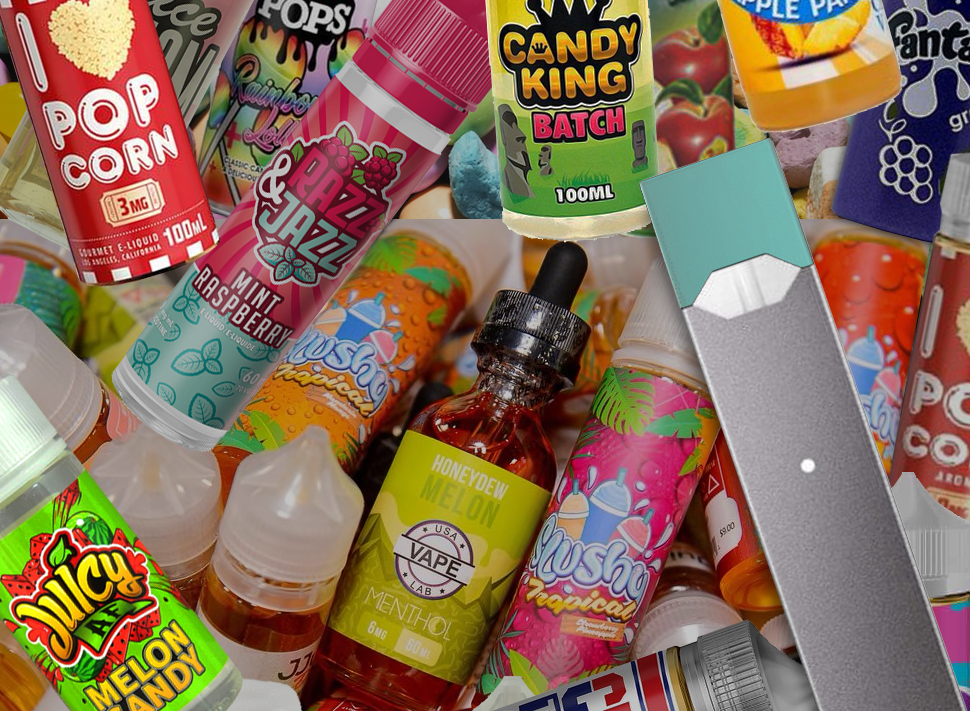
The deadly threat is fueled by tobacco companies that snare children and teens with flavors that mimic popular treats, such as cotton candy, gummy bears, bubble gum, fruit and various dessert options, to create addictions.
E-cigarettes deliver massive doses of nicotine, putting youth users at greater risk of addiction. Some e-cigarettes contain as much nicotine as 200 cigarettes or more.
Beginning in 2009, the Tobacco Control Act gave the FDA authority to regulate tobacco products. In 2016, the agency brought several new types of products under its purview, including e-cigarettes. The FDA was hesitant to authorize vapes with flavors other than tobacco and menthol because of the appeal to young people.
E-cigarettes pose serious risks to the health of young people.
The U.S. Surgeon General has concluded that youth use of nicotine in any form, including e-cigarettes, is unsafe. Nicotine is a highly addictive drug and can harm adolescent brain development, particularly the parts of the brain responsible for attention, memory and learning.
“By now, it seems pretty clear that using e-cigarettes, or vaping, is bad for your lungs. But research about exactly how vaping affects the lungs is in the initial stages,” says Johns Hopkins lung cancer surgeon Stephen Broderick.
“In the last 24 to 36 months, I’ve seen an explosive uptick of patients who vape,” reports Broderick. “With tobacco, we have six decades of rigorous studies to show which of the 7,000 chemicals inhaled during smoking impact the lungs. But with vaping, we simply don’t know the short- or long-term effects yet and which e-cigarette components are to blame.”
Vaping is not harmless. Children and non-smokers should never vape.
Both smoking and vaping involve heating a substance and inhaling the resulting fumes. With cigarettes, you inhale smoke from burning tobacco. With vaping, a device heats up a liquid (called vape juice or e-liquid) until it turns into a vapor that you inhale.
Most e-cigarettes contain nicotine, which is addictive. Other common substances found in heated e-liquid may also pose a risk to the lungs. These include:
- Diacetyl: This food additive, used to enhance e-cigarette flavors, is known to damage small passageways in the lungs leading to permanent scarring in the smallest branches of the airways — popcorn lung — which makes breathing difficult.
- Formaldehyde: This toxic chemical can cause lung disease and contribute to heart disease.
- Acrolein: Often used as a weed killer, this chemical can damage lungs.
Secondhand e-cigarette aerosol is not harmless. It can contain nicotine, ultrafine particles, diacetyl and benzene (a chemical found in car exhaust).
The Johns Hopkins report lists various vaping-related disorders:
- Lipoid pneumonia is the result of inhaling oily substances found in e-liquid, which sparks an inflammatory response in the lungs.
- A collapsed lung can occur after vaping. Primary spontaneous pneumothorax (collapsed lung) is a hole in the lung through which oxygen escapes.
“At Johns Hopkins, we’re seeing a rash of collapsed lungs in younger people,” reports Broderick. “We always ask if they’ve been smoking, and they’ll often say, ‘No, I don’t smoke. But I do vape.’ Now we tell patients not to smoke or vape if they want to avoid another lung collapse and surgery in the future.”
Broderick says cancer is definitely a concern, given that vaping introduces a host of chemicals into the lungs. But vaping products haven’t been around long enough for us to learn whether or not they cause cancer.
“We do know that smoking tobacco forces tiny particles to be deposited deep in the bronchial tree and can lead to the development of cancer. The same may be true for vaping,” says Broderick.
In response to widespread outrage, White House spokesman Kush Desai issued a statement: “President Trump consistently pledged to expand access to vapes in light of an abundance of recent evidence finding that these products are beneficial for Americans trying to quit smoking. The only guiding factor behind the Trump administration’s health policymaking is Gold Standard Science.”
In response to the myth that e-cigarettes help adults to quit smoking, every major U.S. public health authority – including the U.S. Surgeon General, the U.S. Preventive Services Task Force, the CDC and even the FDA itself – has found there is inadequate evidence to conclude that e-cigarettes are effective at helping smokers quit. The International Pediatric Association, a consortium of pediatric societies, said last year that e-cigarettes have not proved significantly effective at getting people to stop smoking.
When considering the pro-vaping actions of Trump and his cronies, Health Secretary Robert F. Kennedy Jr., and Dr. Mehmet Oz, one remembers the terrible health consequences for children from the lead-contaminated water in Flint, Michigan.
This is not the first time government officials have knowingly endangered children’s health for political or financial reasons.
In April 2014, the state-appointed emergency manager changed Flint’s water source from Lake Huron and the Detroit River to the Flint River as a budgetary measure, without proper corrosion control. Lead then leached from aging pipes into the drinking water. When the community complained about the quality of the water, it was discovered that around 100,000 residents were exposed to elevated lead levels. Between 6,000 and 14,000 children were exposed to drinking water with the long-term effects of lead poisoning.
As a result of national outrage, criminal charges were filed against responsible government officials. But the legal system largely failed to hold them accountable.
Flint showed what happens when officials treat children’s health as a budget item. The lesson is not only about Flint. When public health policy is handed over to corporations and their political servants, children pay the price.
Join the Struggle-La Lucha Telegram channel