
In Cuba, U.S. sanctions are not just numbers in an economic report. They translate into long lines to access fuel, blackouts, hospitals without electricity, families in conditions of extreme vulnerability, families who travel kilometers (on foot, by bicycle, or on a cart) to obtain the most basic necessities. Sanctions turn people into victims.
In Havana, Cubans describe in viral videos how buses have stopped running due to a lack of fuel. The absence of transportation forces people to walk long distances, use bicycles, animal-drawn carts, or pay extremely expensive taxis to get what a household needs. The lack of gasoline not only limits mobility; it also affects the distribution of food and medicine, worsening shortages in homes.
For Licet Rodriguez Alonso and her son Diego, an 18-year-old oncology patient, this crisis is literal: for almost four years, they have traveled back and forth between Villa Clara and Havana to complete chemotherapy and radiation treatments. Since then, their family life has been organized around hospital admissions, recovery periods, and continuous transfers between provinces.
Radiation treatments are carried out in the capital, while recovery takes place in their home province, making each trip a logistical challenge. “Everything runs on electricity, people’s lives are being gambled with here. Children are at risk,” Licet says.
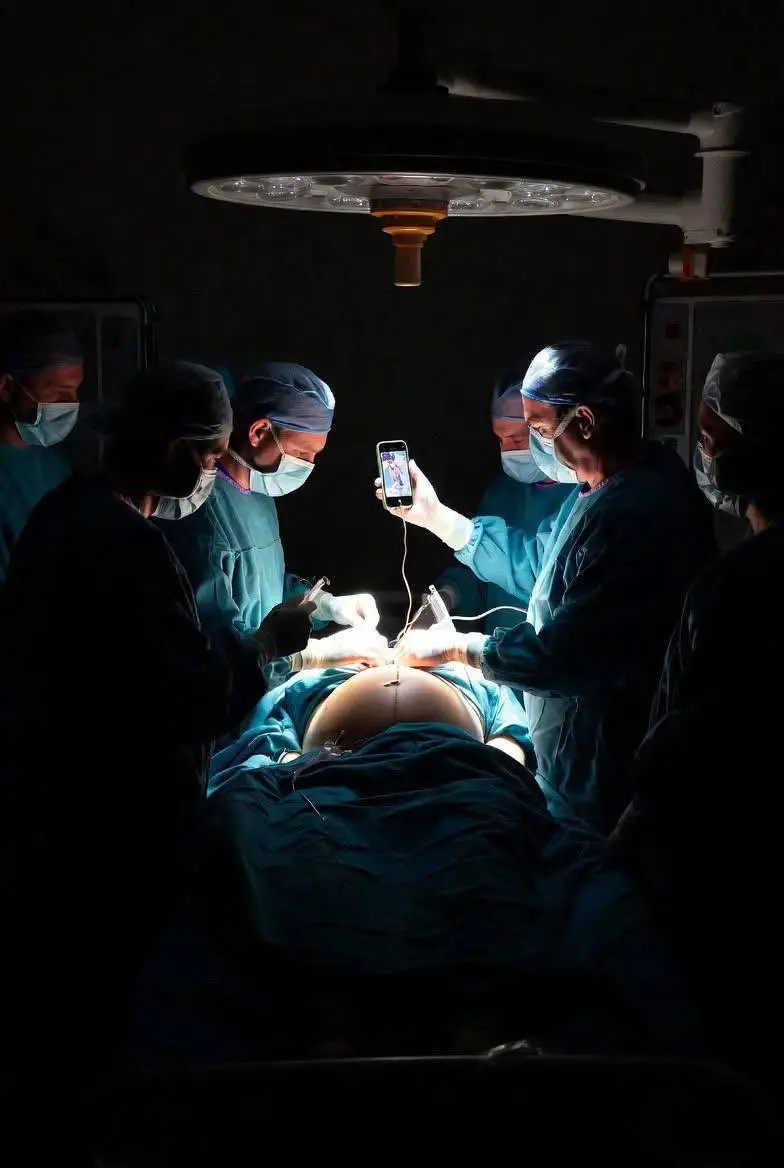
Blackouts are another invisible enemy. At the Ramon Gonzalez Coro Obstetrics and Gynecology Hospital in the capital, a team of doctors had to operate on a pregnant woman using the light from their cell phones. The power outage put essential equipment out of service, including surgical lamps, anesthesia machines, and neonatal resuscitation bassinets.
Dr. Yudmila Rodriguez Verdecia, head of the anesthesiology unit, explained that many devices depend entirely on electricity and that the available batteries have limited autonomy after years of continuous use. Under these conditions, monitoring vital signs and providing ventilation rely largely on the medical staff’s experience and manual procedures.
Although, so far, no loss of life has been reported, each blackout represents a serious risk in an environment where precision and speed can mean the difference between life and death. This highlights how vulnerable the hospital system is to power interruptions.
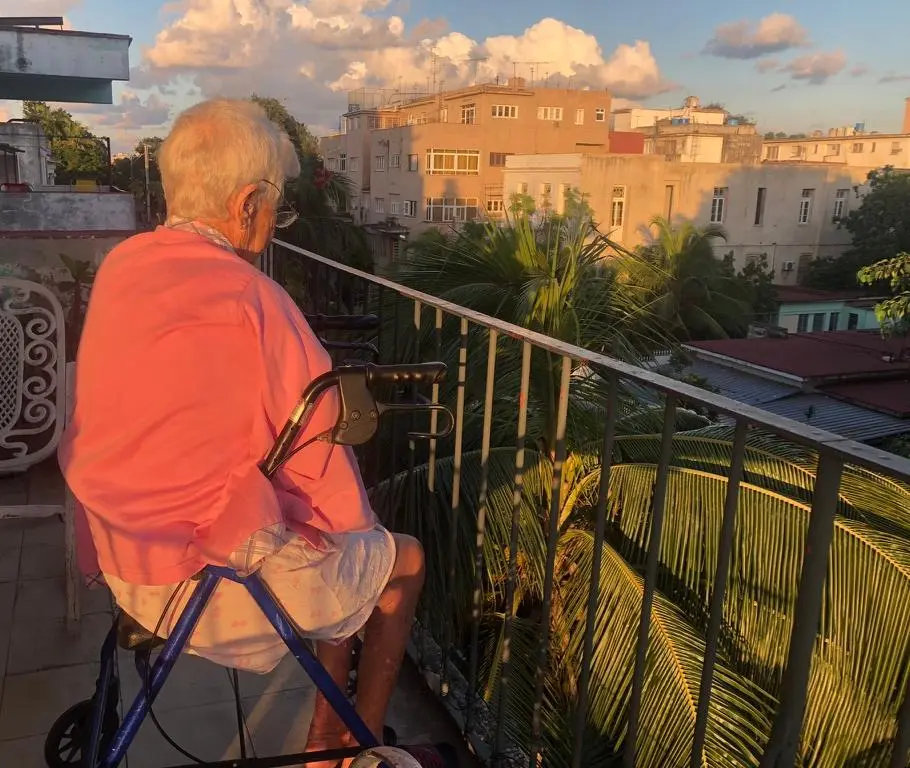
Paula Martinez, a 92 year old with Alzheimers now has to face food insecurity because of the delivery of food through an agency has suspended her deliveries because of the fuel crisis.
Older people are at the greatest risk in this crisis. Paula Martínez, 92, lives in Havana with Alzheimer’s disease, cared for by two caregivers. Her son in Brazil sends food, medicine, and money each month through Supermarket23, a platform that allows purchases for relatives in Cuba. But the fuel crisis has led the agency to suspend its services until further notice. This situation fuels growing anxiety among those who depend on this mechanism to care for their most vulnerable family members.
Paula’s case is not isolated. In an aging country, where many do not have relatives abroad who can support them, scarcity becomes a constant danger. Older adults’ vulnerability becomes particularly critical.
Despite everything, Cuban resilience prevails. People come up with solutions: homemade solar cookers, improvised electric transport, cooking with firewood and charcoal. They support one another, sharing rides, food, and resources. Amid uncertainty, communities look after each other.
But Cuba is not alone. Mexico sent humanitarian aid that is already beginning to be distributed among residents of Mayabeque. Russia also announced the shipment of fuel, and the Nuestra America Flotilla is setting sail from the United States with basic supplies. Even international artists and activists, such as US rapper Vic Mensa, use their platforms to draw attention to the crisis: in viral videos, they question the blockade and highlight its impact on the civilian population.
But a country cannot sustain itself solely on donations and solidarity aid; energy is essential for development and survival. Behind every blackout, every empty fuel tank, there are families struggling to survive and protect their dignity amid the daily suffocation. Mensa captured the mood of an entire country in this urgent moment: “Free Cuba, man.”
Source: Resumen Latinoamericano – English
Join the Struggle-La Lucha Telegram channel