
The weight of death
By Elia Rosa Yera Zayas Bazán
Adelante
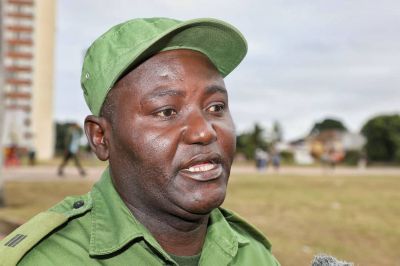
CAMAGÜEY, Cuba — Yohandris Varona Torres saw the photos of the 32 Cubans killed in Venezuela on Jan. 3 and could not help but become emotional. He did so this morning during the tribute held in the Nicolás Guillén Protocol Hall in Camagüey. It was not the first time he had looked at them. He did not have images of strangers in front of him. They were his comrades. And we know that death becomes more real when it touches close to your family, friends, your team.
He spoke little. Perhaps he could not find the words. Only the precise ones needed to make us understand the pain. All in less than five minutes. He walked upright, but his eyes still held a sadness difficult to explain. From Vertientes in Camagüey, he had been in Venezuela for two months and six days as part of personal security when the attack occurred—the most intense experience in 23 years of military service, and his very first internationalist mission.
“We fought there against the aircraft that were machine-gunning us. Despite the fact that our weapons were smaller, we never stopped fighting—we confronted them. I have my training and I know how to fight, but they were superior to us. In that moment my only thought was to fight. We had to fire, and I started doing it.
“That night I had gone on guard duty at midnight and was supposed to be on post for six hours. The attack happened around 2:00 a.m. It was early morning. Everything was dark. If a helicopter comes straight at you, the only thing you can do is shoot at it and defend yourself. That’s how it was. Until the very last moment we were firing.”
Yohandris—spelled with an h in the middle, as he corrected us—was there that night, in the same place where his comrades fell, those of all Cuba. This good Cuban carried them all, and today I can only imagine the weight he carried and still carries with him: the weight of death, pain, helplessness, and injustice.
“Our comrades are a source of glory for all of Cuba. They were my brothers. They were working with me. I saw them all fall and I carried all of them. There was no support from anyone for that, but no body was left on the field. We preserved them in one of our sleeping quarters. I cannot explain the pain. But at least no one was left in Venezuela. They are here, in our homeland.
“My country will always have my willingness to confront the enemy wherever necessary. That’s how the Commander taught us. And the deaths of my comrades cannot be in vain.”
The pain is inside. Just above the stomach. He does not need to tell me. I know it. Noble men feel it that way. And there, a few fingers higher up, in the throat, the helplessness, the rage toward those who believe they have the right and the power to take the lives of good people, the not knowing what to say, the shame of carrying in one’s arms the weight of unjust death.
All that remains is the pain that we could not stop them.
What his eyes saw
By Gretel Díaz Montalvo
Trabajadores
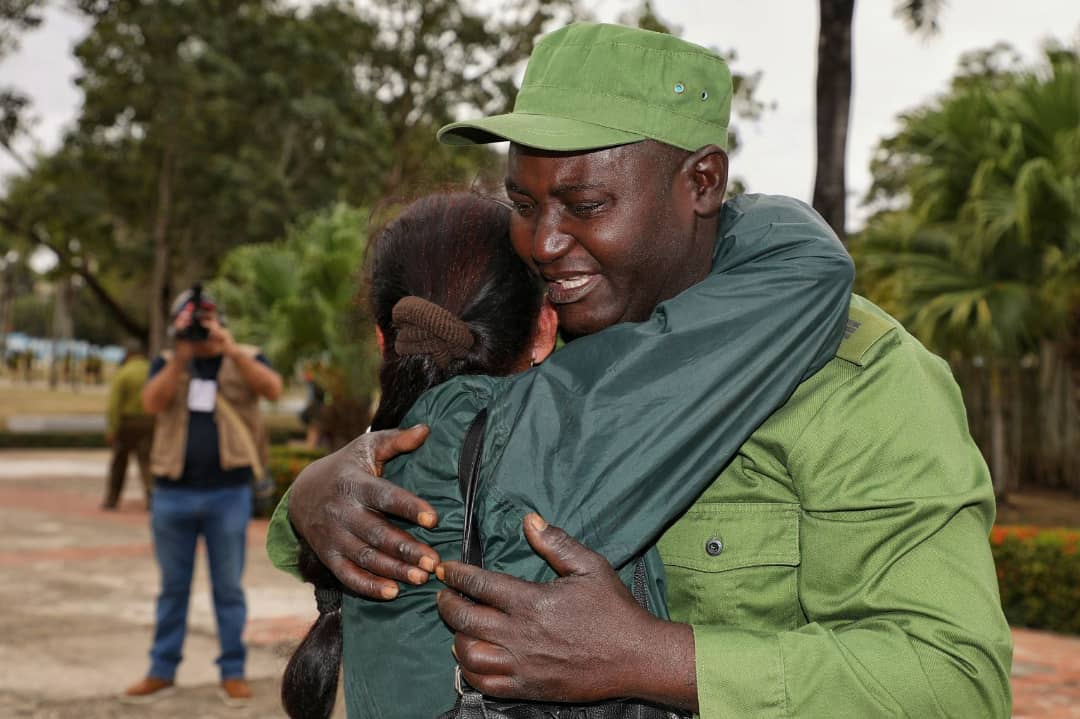
What Yohandri Varona Torres saw with his own eyes on Jan. 3 during the United States’ attack on Venezuela will never be forgotten. He had arrived in the South American nation barely two months and six days earlier. This man from Camagüey, born in the community of Jagüey in Vertientes, had gone there to serve in personal security support. That, he says, is what Fidel taught him—so wherever he was needed, he would go.
But that Saturday turned fatal. At midnight he took up his position. He was assigned a six-hour guard shift. And although everything seemed calm, Yohandri knew that the greatest danger was letting one’s guard down. That is why he carried out his duty with vigilance bordering on excess.
It was close to 2 a.m. when he saw the first of the helicopters belonging to the group of U.S. commandos that would land in Caracas that morning to kidnap President Nicolás Maduro.
He barely had time to leave the post where he was standing guard, take cover several meters away, and begin firing. To that decision—or to luck—he owes his life. As if guided by a plan of millimetric precision, the attackers directed their fire at the guard booth that only seconds earlier he had occupied.
“They had much greater firepower than we did,” Yohandri recounts. “We only had light weapons. Another advantage they had was that they seemed to know exactly where everything was. That’s how they fired at the guard posts and the sleeping quarters where we Cubans were, and they managed to kill—among the first—our leaders.”
With some 23 years of experience in the Department of Personal Security, this first sergeant had never lived through anything even remotely similar. But training had prepared him well, and that morning he emptied magazine after magazine firing at the enemy.
“There was nothing to do but fire and fire. Defend and kill,” he stated.
“Despite their advantage in firepower,” he added, “I am sure we inflicted casualties on them. More than they acknowledge. We fought hard. We kept firing until almost all of us were falling, dead or wounded.”
This was not a quick or easy battle, as Trump and his henchmen initially tried to make people believe. As the days have passed, it has been confirmed that only death and the lack of ammunition managed to extinguish the Cubans’ resistance.
Yohandri remembers everything with terrible clarity. His eyes seem to replay the images one by one. He cries. He cries with rage. He says he will never forget the confrontation, but above all the hours afterward, when the surviving members of the group had to transport the bodies of their fallen compatriots.
“We carried them and took them to a building that had been damaged but allowed us to shelter them. It was very hard, because they were men we knew, with whom we had lived until just hours earlier. But we took them all. We did not abandon a single one.
“When the bombs begin to fall, the only thing you think about is fighting. We were there for that, and that is what we did. All that remains for me is the pain that we could not stop them. And this pain,” he says as he strikes his chest, “I have to settle it with the enemy.”
Testimony of a Cuban combatant who defended President Maduro
Taken from the Facebook page of Ignacio Ramonet
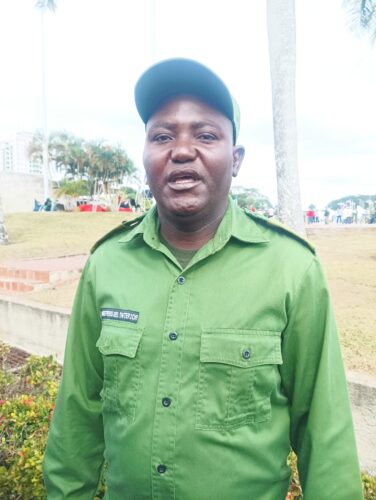
Yohandris Varona Torres had been in Venezuela for two months and six days as a member of the Personal Security detail when the attack occurred—the most intense experience of his 23 years of military service, and his first internationalist mission.
But that Saturday, Jan. 3, turned fatal. At midnight he took up his position. He was assigned a six-hour guard shift. And although everything appeared calm, Yohandri knew that the greatest danger was letting one’s guard down. That is why he carried out his duty with vigilance bordering on excess.
It was close to 2 a.m. when he saw the first of the helicopters belonging to the group of U.S. commandos that would land in Caracas that morning to kidnap President Nicolás Maduro.
He barely had time to leave the post where he was standing guard, take cover several meters away, and begin firing. To that decision—or to luck—he owes his life. As if guided by a plan of millimetric precision, the attackers directed their fire at the guard booth that only seconds earlier he had occupied.
“They had much greater firepower than we did,” Yohandri recounts. “We only had light weapons. Another advantage they had was that they seemed to know exactly where everything was. That’s how they fired at the guard posts and the sleeping quarters where we Cubans were, and they managed to kill—among the first—our leaders.”
With some 23 years of experience in the Directorate of Personal Security, this first sergeant had never lived through anything even remotely similar. But training had prepared him well, and that morning he emptied magazine after magazine firing at the enemy.
“There was nothing to do but fire and fire. Defend and kill,” he stated.
“We fought there against the aircraft that were machine-gunning us. Despite the fact that our weapons were smaller, we never stopped fighting—we confronted them. I have my training and I know how to fight, but they were superior to us. In that moment my only thought was to fight. We had to fire, and I started doing it.”
“Despite their advantage in firepower,” he added, “I am sure we inflicted casualties on them. More than they acknowledge. We fought hard. We kept firing until almost all of us were falling, dead or wounded.”
This was not a quick or easy battle, as Trump and his henchmen initially tried to make people believe. As the days have passed, it has been confirmed that only death and the lack of ammunition managed to extinguish the Cubans’ resistance.
Yohandri remembers everything with terrible clarity. His eyes seem to replay the images one by one. He cries. He cries with rage.
He says he will never forget the confrontation, but above all the hours afterward, when the surviving members of the group had to transport the bodies of their fallen compatriots.
“We carried them and took them to a building that had been damaged but allowed us to shelter them. It was very hard, because they were men we knew, with whom we had lived until just hours earlier. But we took them all. We did not abandon a single one.
“When the bombs begin to fall, the only thing you think about is fighting. We were there for that, and that is what we did. All that remains for me is the pain that we could not stop them. And this pain,” he says as he strikes his chest, “I have to settle it with the enemy.”
Yohandri Varona Torres: a moving testimony
By Yamylé Fernández Rodríguez
Radio Reloj
Camagüey, Cuba — With a voice broken by pain and indignation, first officer Yohandri Varona Torres from Camagüey recalls Jan. 3, when his comrades fell in combat after fighting fiercely against the U.S. aggression against Venezuela.
Backed by 23 years of experience as a personal security specialist, Varona Torres had arrived in Caracas just over two months earlier. On the day of the tragic events, he was on guard duty.
He recalls that around 2:00 a.m. they spotted the enemy helicopters, and there was always the certainty that it was necessary to fight to the end, because the Yankees had come determined to leave death and destruction.
He shared daily life with all of the fallen Cubans, and their loss is deeply painful, says first officer Yohandri Varona Torres, who held their lifeless bodies in his arms and now swears he will know how to honor them as they deserve.
Originally published by Adelante, Trabajadores, and Radio Reloj.
Translated by Struggle-La Lucha.
Source: cubainformacion.tv
Join the Struggle-La Lucha Telegram channel